An HOA board resigned a year ago. No one stepped up to replace them. Meetings stopped happening, vendors went unpaid, and the pool sat closed all summer. Common areas grew overgrown. Insurance lapsed. Homeowners had no idea who to contact about anything.
This isn't a hypothetical. It happened to a California community and happens to dozens more every year. When HOAs go inactive, the consequences affect every homeowner's property value and quality of life.
If your community is inactive or heading that direction, here's how to fix it.
Recognizing the Warning Signs
Inactive communities don't collapse overnight. The warning signs appear gradually.
Meetings stop being scheduled or consistently lack quorum. Board positions sit vacant for months. No one responds to homeowner maintenance requests. Landscaping goes unattended. Pool chemicals run out and no one reorders them.
Financial red flags appear too. Homeowners don't receive dues invoices. Bank statements go unopened. Vendor bills pile up. Tax filings get missed.
If you're seeing multiple signs, your community needs intervention before the situation worsens.
The Consequences of Inactivity
Inactive HOAs face serious legal and financial problems.
Your association can lose its legal standing with the state. This happens when you fail to file required annual statements or pay taxes. Without legal standing, your HOA can't enter contracts, file lawsuits, or enforce rules. Tax penalties accumulate. The IRS doesn't care that your board resigned. Missing tax deadlines triggers fines and interest that keep growing.
Insurance coverage lapses when premiums go unpaid. If someone gets injured on your property or a fire damages buildings, your community has no protection. Board members and homeowners can face personal liability.
Maintenance delays turn minor repairs into major expenses. A small roof leak becomes structural damage. Deferred landscaping allows invasive plants to destroy irrigation systems. Equipment that needed simple repairs fails completely.
Home sales get complicated. Buyers need resale certificates and governing documents. Lenders require proof of HOA financial stability. When no one can provide these documents, sales fall through.
Step One: Restore Legal Status
Before anything else, get your HOA back in good standing with the state.
Locate your articles of incorporation and check your filing status with the Secretary of State's office. If your corporation has been suspended or dissolved, you'll need to file reinstatement documents and pay any back fees.
This often requires legal help. An attorney experienced in HOA law can navigate the reinstatement process, file required documents, and ensure everything is done correctly.
Don't skip this step. Until your HOA is legally active, you can't conduct official business or enter binding contracts.
Step Two: Establish Emergency Governance
You need a functioning board to move forward. This might require an emergency homeowner meeting.
Check your bylaws for procedures to hold special meetings and elect board members. You'll need to notify all homeowners according to your documents, even if that hasn't been done in months.
At the meeting, elect an interim board if necessary. Focus on filling the essential positions: president, treasurer, and secretary. You can add other roles later.
If homeowners are reluctant to serve, remind them that inactive HOAs threaten everyone's property values. Sometimes short-term commitments help people step up. Maybe someone will serve for six months until you can hold proper elections.
Overwhelmed by HOA challenges? Get Professional Help
Consider hiring professional help. A reputable firm can provide experienced support, handle day-to-day operations, and guide the board through reactivation.
Step Three: Audit Your Finances
Find out what financial mess you're dealing with. This requires locating bank accounts, reviewing statements, and identifying all income and expenses.
Start by tracking down account information. Check old board records, contact banks your community previously used, and review property tax records that might list accounts.
Once you access accounts, examine balances and recent transactions. Identify unpaid bills and determine what vendors or services have been cut off.
Check reserve fund levels. Your community might need expensive repairs soon. Knowing what funds are available helps you prioritize.
Look for past-due taxes. Contact the IRS and state tax authorities to determine what filings were missed and what penalties have accumulated. Get these current as quickly as possible.
Restart dues collection if it stopped. Homeowners need to resume paying. Work with a collections attorney if significant delinquencies exist.
Step Four: Prioritize Essential Services
You can't fix everything at once. Focus on safety, legal compliance, and critical maintenance first.
Restore insurance coverage immediately. Contact insurance brokers, get quotes, and purchase policies that meet your governing documents and state law requirements.
Address safety hazards like broken lighting, damaged stairs, or pool areas that need securing. You could face liability if someone gets injured because the HOA failed to maintain safe conditions.
Restart essential services like landscaping, trash removal, and utilities for common areas. Your community needs to look maintained and function properly.
Create a basic budget. It doesn't need to be perfect, but you need some financial plan to guide spending decisions until you can develop a comprehensive annual budget.
Step Five: Communicate with Homeowners
Transparency rebuilds trust after a period of inactivity. Homeowners need to know what happened, what you're doing about it, and what they can expect going forward.
Send a detailed update explaining the situation. Acknowledge the problems honestly. Outline the steps you're taking to restore normal operations.
Provide a timeline for getting key services operational again. When will landscaping resume? When will the pool reopen? When will homeowners receive proper invoices?
Schedule regular updates even if you don't have major progress to report. Knowing someone is working on problems matters as much as seeing immediate results.
Be honest about challenges. If you need to levy a special assessment to catch up on bills, explain why early rather than surprising people later.
Step Six: Rebuild Engagement
Inactive communities often stay that way because homeowners feel disconnected. Rebuilding engagement prevents future inactivity.
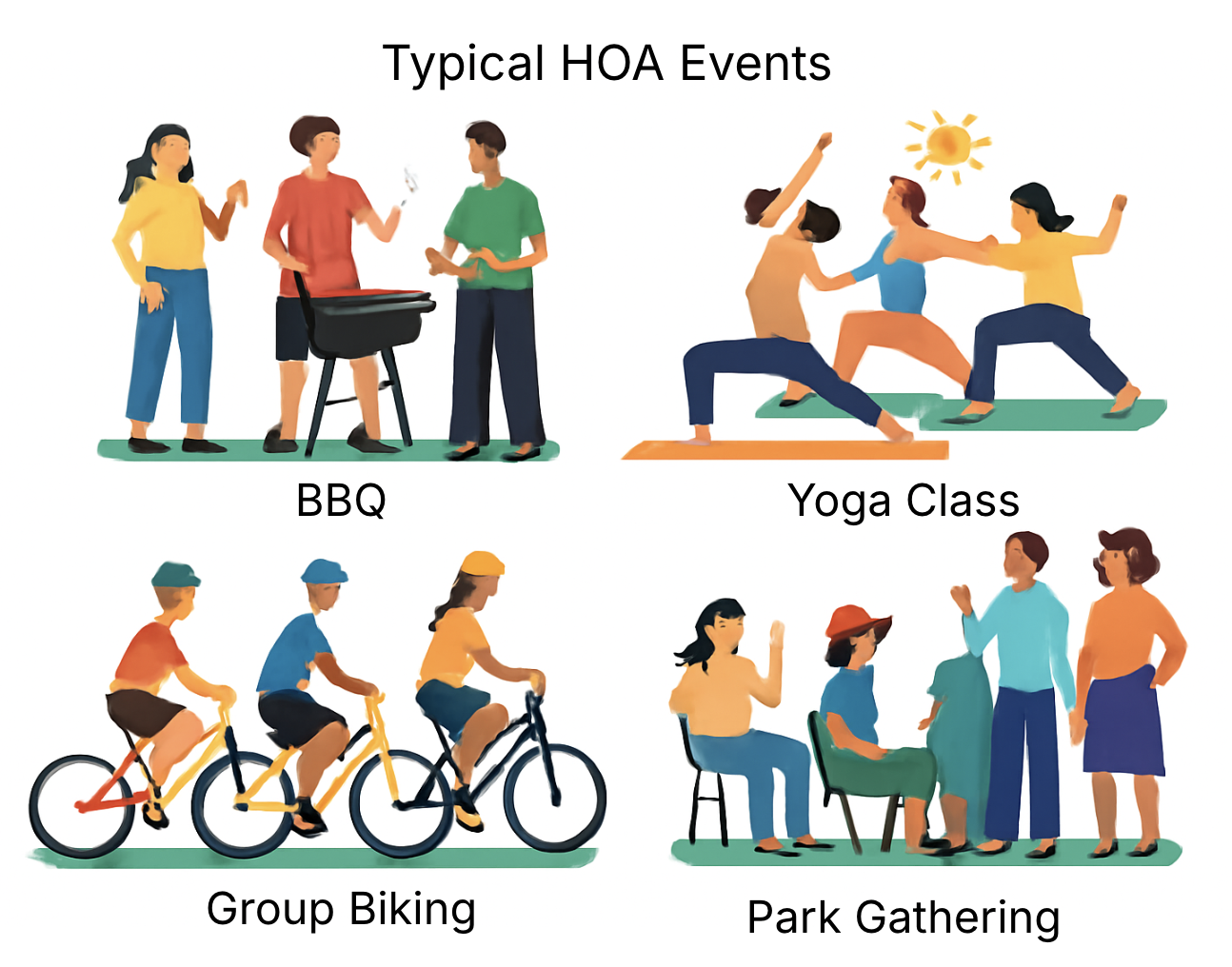
Host social events once basic operations are restored. A community barbecue or holiday party helps neighbors reconnect and builds goodwill toward the board.
Create volunteer opportunities. Maybe someone will help organize events, serve on committees, or tackle small maintenance projects. Engaged homeowners are more likely to step up when board positions need filling.
Make meetings accessible and homeowner-friendly. Provide clear agendas, welcome questions, and keep meetings focused and efficient.
Preventing Future Inactivity
Once you've revived your community, take steps to prevent another collapse.
Build board continuity by staggering terms so experienced members remain when new people join. Document procedures so new board members aren't starting from scratch.
Maintain clear succession plans. If someone resigns, have a process to fill their position quickly rather than leaving it vacant.
Consider professional support even if your community is small. Qualified partners handle routine tasks, ensure compliance, and provide stability when board turnover happens.
Keep homeowners engaged year-round, not just during crises. Regular communication, social events, and volunteer opportunities create a culture where people want to participate.
The Bottom Line
Inactive HOAs damage property values, create legal problems, and make communities less enjoyable places to live.
Reactivating requires restoring legal standing, establishing governance, addressing financial issues, and rebuilding homeowner engagement.
The process takes time and effort, but the alternative is worse. Communities don't fix themselves. They need homeowners willing to step up and do the work.
Need some inspiration? See below:
If your community is inactive, start today. Organize a meeting, contact neighbors, and begin the revival process. Your property value and quality of life depend on it.