Research shows that homes in well-run HOA communities are worth 5 to 17 percent more than comparable non-HOA properties. This significant premium comes from strategic decisions that preserve neighborhood appeal and maintain community standards. HOAs exist to protect shared property and home values through proactive planning and consistent oversight.
The Financial Impact of HOAs
According to the National Association of Realtors, homes in HOA communities typically sell for 5 to 6 percent more than similar non-HOA homes. The Community Associations Institute reports that HOAs focused on preserving neighborhoods and enhancing efficiencies can increase property values by as much as 17 percent.
These numbers aren't automatic. They result from intentional actions that create desirable living environments. Every decision your board makes either adds value or detracts from it.
Maintaining Curb Appeal
One of the primary ways an HOA increases property values is by preserving community appearance and aesthetic appeal. Strict architectural guidelines ensure homes maintain consistent quality and style.
Well-maintained common areas like parks, pools, and landscaping create attractive environments that draw new homebuyers. First impressions matter enormously in real estate. A community with manicured lawns and fresh paint signals pride and quality.
Regular maintenance prevents deterioration. Small problems become expensive repairs when ignored. Preventive care costs less than reactive fixes while maintaining property appeal.
Enforcing Community Standards
Consistent enforcement of governing documents protects everyone's investment. When one property falls into disrepair, neighboring values suffer. Fair, uniform enforcement prevents this problem.
Standards cover visible elements that affect property values:
- Exterior maintenance requirements
- Landscaping expectations
- Vehicle and storage policies
- Architectural consistency
- Noise and nuisance restrictions
Professional enforcement balances individual freedom with community welfare. The goal is reasonable standards that preserve value without unnecessary restrictions.
Providing Desirable Amenities
Quality amenities attract buyers and command premium prices. Pools, fitness centers, clubhouses, and recreation areas enhance daily living while boosting resale values.
Maintaining these amenities requires planning and investment. Deferred maintenance destroys value faster than the initial cost savings. Buyers recognize the difference between well-kept facilities and neglected ones.
Consider which amenities matter most to your community. Not every neighborhood needs a tennis court. Focus resources on amenities residents actually use and appreciate.
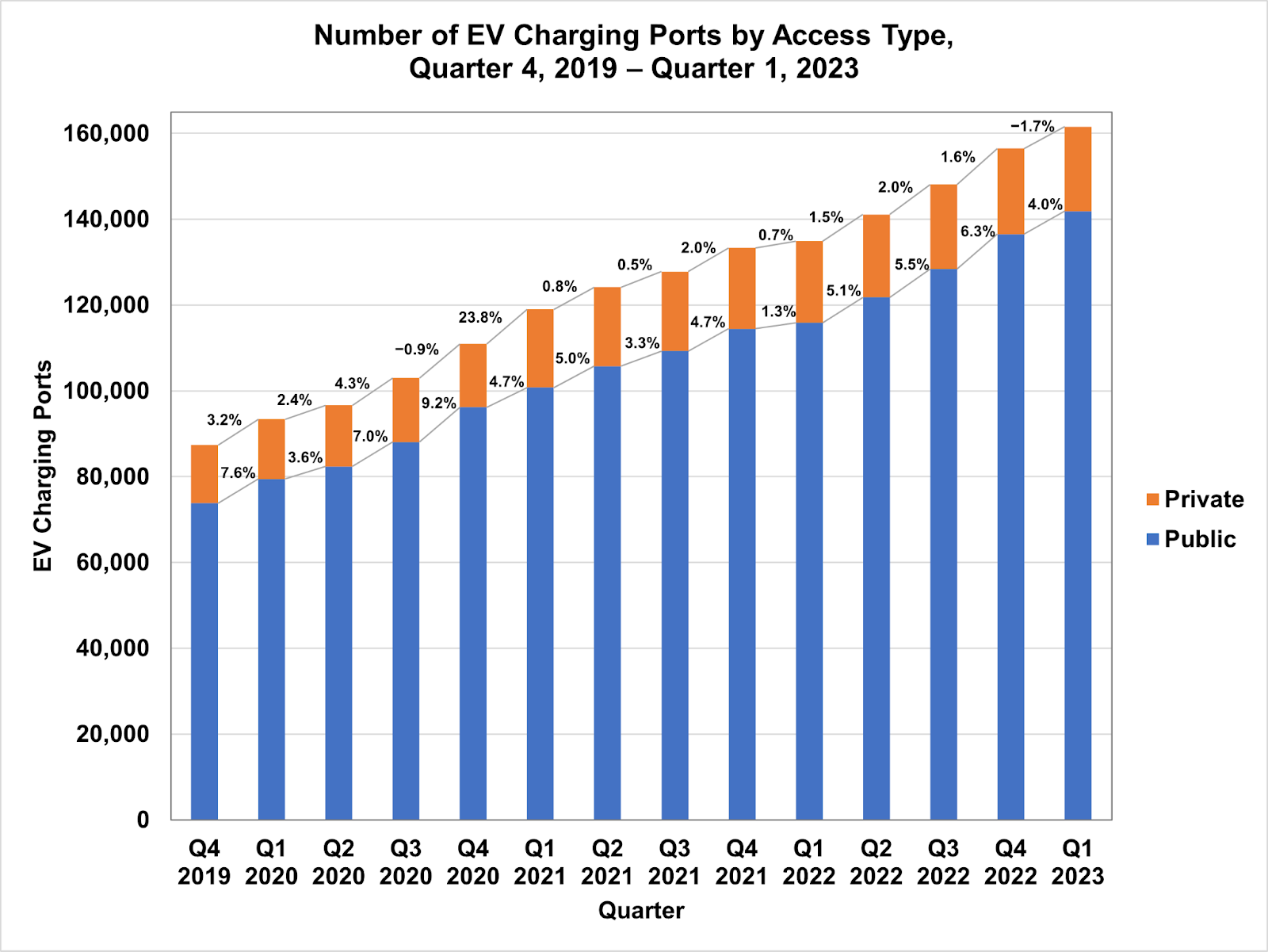
With EV vehicles on the rise, installing EV charging stations will be a future must-have for your community. The number of public charging ports is skyrocketing, and your HOA might want to consider making the upgrade.
Managing Finances Responsibly
Sound financial practices protect property values by ensuring adequate funding for maintenance and improvements. Proper budgeting prevents special assessments that burden homeowners.
Reserve funds allow planned replacement of major components. Roofs, roads, and recreation facilities eventually need replacement. Communities with adequate reserves handle these expenses without financial crises.
Transparent financial reporting builds homeowner confidence. Regular statements, clear budgets, and accessible records demonstrate competent stewardship. Buyers research HOA finances before purchasing.
Want to optimize your HOA's financial strategy? Get Expert Financial Guidance
Staying Legally Compliant
Compliance with state and federal laws protects communities from costly litigation. Legal problems damage property values through assessments, liens, and negative publicity.
Key compliance areas include:
- Fair Housing Act requirements
- ADA accessibility standards
- State HOA regulations
- Environmental laws
- Insurance requirements
Professional guidance helps boards navigate complex legal requirements. Staying ahead of compliance issues prevents expensive corrections later.
Building Community Engagement
Engaged communities maintain higher property values. When residents care about their neighborhood, they maintain their properties and participate in community improvements.
Regular communication keeps homeowners informed and involved. Newsletters, websites, and community events foster connection. People invest more in communities where they feel welcomed and valued.
Address concerns promptly and professionally. Responsive boards build trust and satisfaction. Happy homeowners maintain their properties and recommend the community to others.
Strategic Planning
Long-term planning positions communities for sustained value growth. Consider future needs and market trends. What amenities will buyers want in five or ten years?
Regular reserve studies identify upcoming major expenses. This planning prevents surprises and allows gradual funding through dues rather than special assessments.
Benchmark against comparable communities. What are similar neighborhoods doing well? Where do opportunities exist for improvement?
Making Smart Vendor Choices
Quality vendors deliver better results that protect property values. The cheapest landscaper may create bare patches and dead plants. The most affordable painter might use products that fail prematurely.
Balance cost with quality. Establish clear expectations and hold vendors accountable. Regular inspections ensure work meets community standards.
Long-term relationships with reliable vendors often deliver better value than constantly seeking the lowest bid. Vendors who know your community work more efficiently.
The Bottom Line
Property values don't increase automatically because an HOA exists. They increase because boards make thoughtful decisions that preserve appeal, maintain standards, and plan strategically.
Every choice matters. Deferred maintenance, inconsistent enforcement, and poor financial planning all erode values. Conversely, proactive care, fair standards, and solid planning compound to create significant value.
Professional partnership can help boards implement these strategies effectively. Expert guidance on compliance, budgeting, and planning protects your most important investment.