Self-managing your HOA means your volunteer board handles every responsibility that a professional management company would otherwise take on. Financial administration, legal compliance, vendor coordination, homeowner communications, maintenance oversight. All of it falls on volunteers who typically have full-time jobs and families of their own.
For the right community, self-management can work well. This guide covers what it actually requires so your board can decide whether it is the right fit.
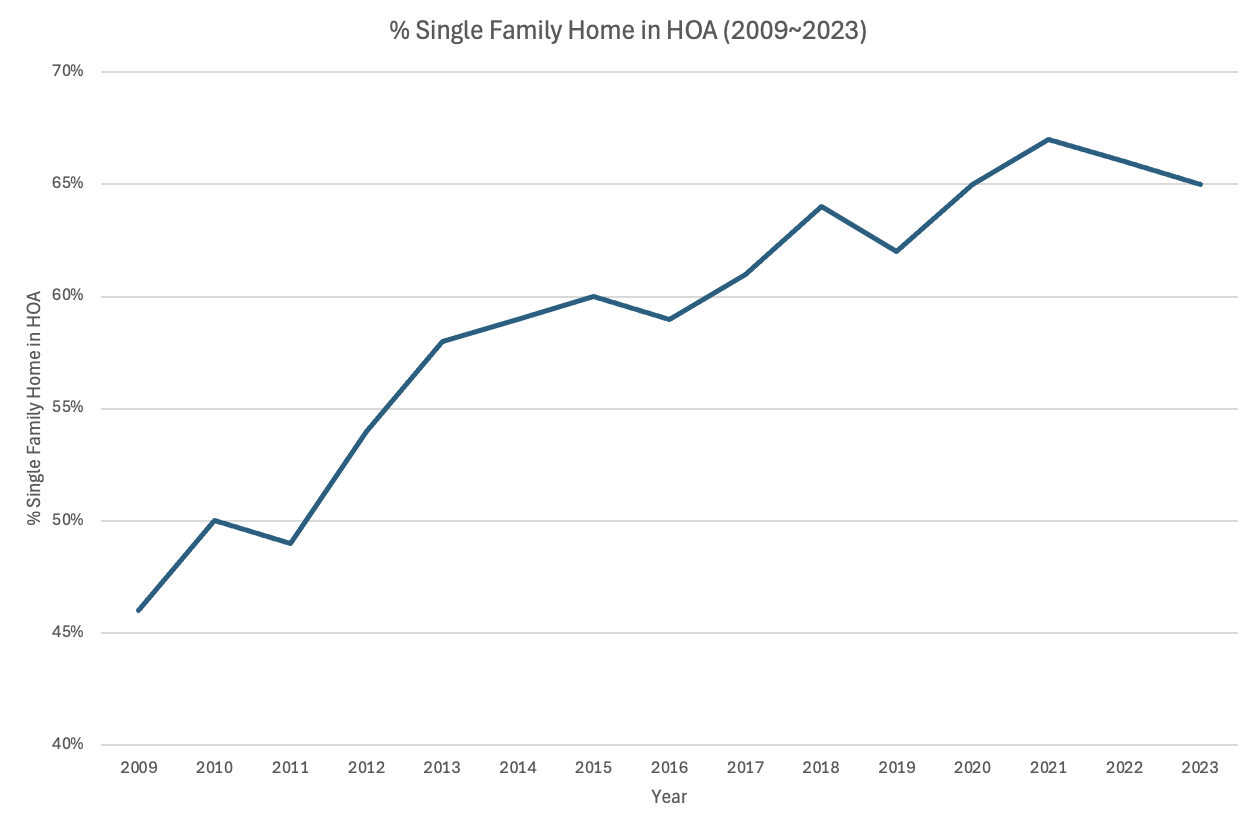
In the U.S., there are roughly 370,000 HOA-run communities, and more keep popping up, about 14 new ones every day. To put it in perspective, over 80% of the homes sold in 2023 were part of HOAs.
Financial Management Is the Core Responsibility
Money touches every part of HOA operations. Your board will be responsible for:
- Assessment collection and delinquency tracking. You need a consistent process for billing homeowners, applying late fees, and escalating to collections when necessary.
- Bookkeeping and bank reconciliations. Every transaction should be recorded, categorized, and reconciled monthly.
- Budget preparation. Annual budgets project income and expenses for the coming year. Getting this wrong leads to shortfalls or special assessments.
- Reserve fund management. Reserves fund major repairs like roof replacements and repaving. Underfunded reserves are one of the most common problems in self-managed communities.
- Tax filings. HOAs must file federal returns (Form 1120 or 1120-H) and applicable state returns. Missing deadlines triggers penalties.
If nobody on your board is comfortable with accounting fundamentals, financial management will be your biggest challenge.
Compliance Is Not Optional
Every HOA operates under state law, its own governing documents (CC&Rs, bylaws, and rules), and various federal regulations including fair housing laws. Self-managed boards must stay current with all of these.
Key compliance obligations include:
- Proper notice requirements for meetings and elections
- Open meeting laws that govern what can be discussed in executive session
- Annual disclosures required by your state
- Record retention policies and homeowner inspection rights
- Fair housing compliance in all enforcement and communications
The consequences of compliance failures range from invalidated board decisions to lawsuits. Ignorance of the law does not protect you, and volunteers are held to the same standards as professional firms.
Vendor Coordination Takes More Time Than You Expect
Landscaping, pool maintenance, plumbing, electrical, insurance, legal counsel. Your board will manage relationships with multiple vendors, and each one requires attention. That means soliciting bids, verifying licenses and insurance, reviewing contracts, monitoring work quality, and processing invoices.
Without a management company's vendor network and purchasing leverage, self-managed boards often pay more and spend more time finding reliable contractors.
Homeowner Communications Cannot Be Neglected
In a self-managed community, board members are the primary point of contact for every homeowner question, complaint, and request. Establish clear communication channels early. A dedicated HOA email address, a simple website or portal, and regular newsletters keep homeowners informed and reduce one-off inquiries. Document every interaction, because written records protect the board if disputes arise later.
Tools and Software Your Board Needs
Self-managed boards do not need expensive enterprise software, but you do need reliable tools:
- Accounting software like QuickBooks or a specialized HOA platform for financial tracking
- A shared document repository (Google Drive, Dropbox) for governing documents, minutes, and contracts
- Communication tools for homeowner notifications (email platforms, a community portal)
- A calendar system for tracking deadlines, meeting dates, insurance renewals, and filing requirements
The right tools reduce the administrative burden on individual board members and create continuity when volunteers rotate off the board.
Wondering if professional support might be a better fit? Request a Free Proposal
When Self-Management Works
Self-management tends to work best in communities that are small (under 50 units), relatively simple in their operations (no pools, clubhouses, or extensive common areas), and blessed with engaged, capable volunteers who can commit consistent time.
It also helps when board members bring relevant professional skills. An accountant, an attorney, or a property manager on the board makes a meaningful difference in the quality of self-managed operations.
When Self-Management Starts to Break Down
Watch for these warning signs:
- Board members are burning out. Meetings feel like a burden. Volunteers stop returning emails or attending meetings.
- Compliance gaps are appearing. Required notices are late. Annual filings are missed. Election procedures are inconsistent.
- Financial records are disorganized. Bank reconciliations are months behind. The budget is guesswork.
- Homeowner complaints are increasing. Residents are frustrated with slow response times and inconsistent enforcement.
- Vendor relationships are suffering. Contractors are not being monitored, and work quality is declining.
These are signals that your community's needs have outgrown your board's capacity. Recognizing them early prevents bigger problems down the road.
The Bottom Line
Self-managing your HOA requires honest self-assessment about your board's skills, availability, and willingness to handle every aspect of community operations. If your board has the right people and the right tools, self-management can save money and keep decision-making close to home.
If the workload becomes unsustainable, that is not a failure. It is a sign your community has grown beyond what volunteers can reasonably handle. When that happens, professional support is not an expense. It is an investment in your community's long-term health.