Living in an HOA community offers amenities and services that enhance property values. Maximizing your experience requires understanding how associations operate and actively participating in community life.
Understanding Your Governing Documents
CC&Rs, bylaws, and rules establish your rights and responsibilities. These documents answer most questions about what you can do with your property and what the association must provide.
Read governing documents thoroughly before purchasing and revisit them periodically. Restrictions on exterior modifications, parking, and pets prevent surprises. Understanding assessment obligations helps you budget properly.
Governing documents also define board responsibilities and homeowner rights. Knowing what boards must provide empowers you to advocate effectively when issues arise. Document familiarity prevents unnecessary conflicts.
Effective Communication with Your Board
Strong communication builds positive relationships with board members. These volunteers dedicate personal time to community oversight and appreciate constructive engagement.
Attend board meetings regularly to stay informed. Most associations hold monthly meetings where boards discuss finances, projects, and issues. Physical presence demonstrates community investment and provides direct insight into decision-making.
Submit requests in writing through proper channels. Email or portal submissions create documentation and ensure requests reach appropriate parties. Verbal hallway conversations often get forgotten or miscommunicated.
Ready to simplify your HOA? Request a Proposal
Be specific and factual when reporting issues. Instead of "the landscaping looks terrible," specify "the irrigation system on the west side hasn't operated for three days." Detailed reports enable faster resolution.
Respect volunteer time and effort. Board members balance community service with personal lives. Patient, professional communication yields better results than aggressive demands or threats.

Participating in Community Activities
Active participation strengthens community bonds and improves quality of life. Many associations organize social events, committees, and improvement projects.
Social gatherings create opportunities to meet neighbors. Holiday parties, summer barbecues, and community meetings foster connections beyond casual greetings. Strong neighbor relationships enhance safety and support networks.
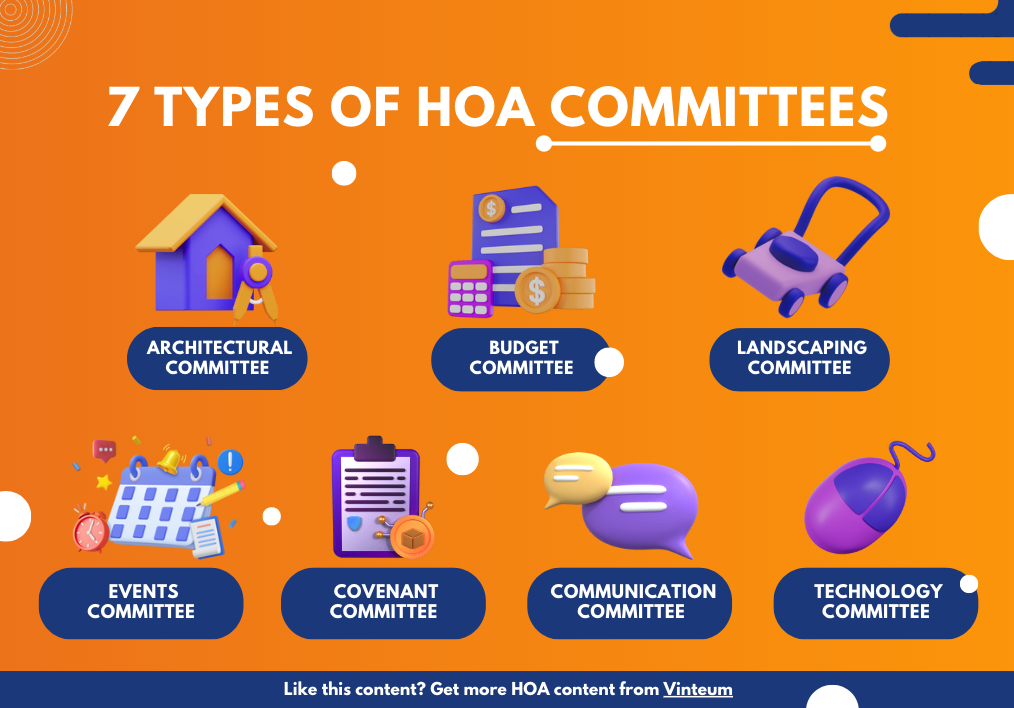
Committee service allows focused contribution without full board commitment. Landscape, architectural review, and social committees need volunteers. Specific expertise in finance, landscaping, or event planning proves especially valuable.
Volunteer for community improvement projects. Neighborhood cleanups, garden planting, and amenity improvements benefit everyone. Physical participation demonstrates commitment and builds camaraderie.
Using Association Amenities Responsibly
Association amenities represent significant community investments. Proper use maintains these resources and ensures availability for all residents.
Reserve amenity time according to established procedures. Pools, clubhouses, and recreation facilities often require advance booking. Following scheduling systems prevents conflicts and ensures fair access.
Follow posted rules and hours of operation. Quiet hours, guest limits, and equipment restrictions exist for good reasons. Compliance shows respect for neighbors and community standards.
Report maintenance needs promptly. Broken equipment, safety hazards, or cleanliness issues require attention. Quick reporting prevents problems from worsening and demonstrates community care.
Maintaining Your Property
Individual property maintenance affects entire communities. Well-maintained homes enhance property values and community appeal.
Follow architectural guidelines for exterior changes. Most associations require approval before painting, landscaping, or structural modifications. Submitting requests before starting work prevents costly violations.
Address maintenance issues promptly. Deferred maintenance creates eyesores and potential hazards. Regular upkeep demonstrates pride of ownership and respects neighbor investments.
Keep yards and entryways tidy. Overgrown landscaping, cluttered porches, and unmaintained exteriors detract from community appearance. Simple maintenance preserves property values.
Understanding Financial Obligations
Assessment payments fund essential services and reserve accumulation. Understanding where your money goes builds appreciation for association value.
Pay assessments on time to avoid late fees and delinquency issues. Setting up automatic payments prevents missed deadlines. Timely payments maintain good standing and support community operations.
Review financial reports when available. Many associations share monthly or quarterly financial summaries. Understanding income and expenses helps you evaluate board performance and budget needs.
Participate in budget discussions and votes when required. Some major decisions require homeowner approval. Informed participation helps associations make sound financial choices.
Addressing Concerns Constructively
Disagreements and concerns inevitably arise in shared communities. Handling issues constructively maintains relationships and achieves resolution.
Start with direct, respectful communication. Contact board members or property coordinators before escalating concerns. Many issues stem from miscommunication or simple oversights.
Follow established dispute resolution procedures. Governing documents typically outline processes for addressing complaints and appeals. Working within these systems produces better outcomes.
Document issues with photos, dates, and specific details. Evidence supports your position and helps boards understand problems. Emotional complaints without supporting facts receive less credibility.
Consider board perspectives and constraints. Budget limitations, legal requirements, and competing priorities affect decision-making. Understanding these factors helps you frame requests effectively.
Considering Board Service
Board service offers deep community involvement and leadership opportunities. Serving helps you understand association challenges while contributing meaningfully.
Boards need diverse skills and perspectives. Financial expertise, legal knowledge, construction experience, and communication skills all benefit communities. Your professional background may fill gaps in current board composition.
Service requires time commitment and emotional investment. Monthly meetings, email communication, and occasional emergency response demand flexibility. Evaluate your capacity before committing.
Board service provides insider understanding of community operations. You'll gain appreciation for complexity of association oversight and regulatory requirements. This perspective improves advocacy even after your term ends.
Building Long-Term Satisfaction
HOA living works best when residents embrace community participation. Engaged homeowners create vibrant, well-maintained neighborhoods with strong property values.
Your attitude significantly affects your experience. Approaching community life with cooperation rather than confrontation builds positive relationships. Volunteer board members respond better to partnership than criticism.
Communities thrive when residents balance individual preferences with collective interests. Understanding this balance helps you maximize personal enjoyment while supporting community success.