Pet policies represent one of the most common sources of HOA disputes. Clear understanding of what associations can regulate helps homeowners avoid conflicts while enjoying their homes.
What HOAs Can Regulate
Homeowners associations possess broad authority to establish pet guidelines. Courts consistently uphold reasonable restrictions applied consistently across communities.
Number limits prevent overcrowding and maintenance issues. Many associations restrict residents to two pets per household. This prevents units from becoming unofficial kennels or catteries.
Size restrictions address space constraints and safety concerns. Policies commonly cap pet weight at 40 pounds. Larger animals in compact living spaces create noise and damage risks.
Breed restrictions remain controversial but legally permissible. Some associations prohibit breeds perceived as aggressive. However, these restrictions must apply uniformly and cannot target service animals.
Ready to simplify your HOA? Request a Proposal
Common Pet Policy Elements
Well-drafted policies specify clear, enforceable standards. Vague language creates interpretation disputes and enforcement challenges.
Designated areas define where pets are permitted. Common area restrictions protect shared spaces from waste and damage. Policies typically require leashes in all common areas and prohibit pets from pools, playgrounds, and clubhouses.
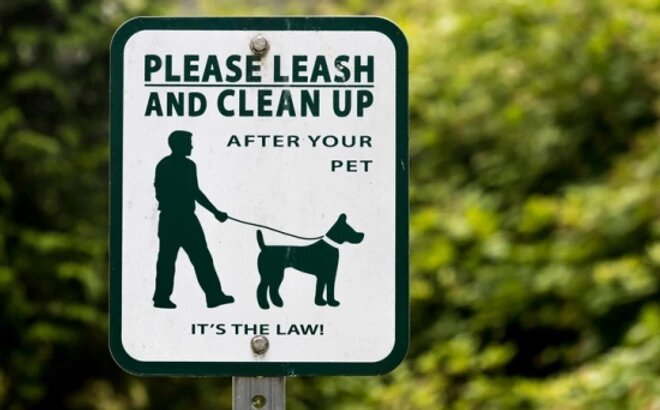
Waste cleanup requirements place responsibility on owners. Immediate waste removal prevents sanitation issues and maintains property appeal. Many associations install waste stations and assess fines for non-compliance.
Noise and nuisance standards address behavioral issues. Excessive barking, aggressive behavior, or property damage violate community standards. Repeated violations may require pet removal.
Registration requirements help boards track community pets. Some associations require pet registration with photos and vaccination records. Registration aids enforcement and emergency response.
Sample Policy Language
Effective policies use specific, measurable language. Consider this example framework:
Residents may keep up to two household pets per unit. Each pet must weigh under 40 pounds at full maturity. Dogs and cats require current vaccinations verified annually.
Pets must remain on leashes no longer than six feet in all common areas. Owners must immediately remove pet waste and dispose of it properly. Aggressive behavior toward persons or other animals is prohibited.
This language provides clear expectations and measurable compliance standards. Residents know exactly what the association permits and requires.
Service and Support Animals
Federal and state laws protect service and support animals from standard pet restrictions. Associations cannot deny reasonable accommodations for disabled residents who require assistance animals.
Service animals receive broad protection under the Americans with Disabilities Act. These animals perform specific tasks for individuals with disabilities. Common examples include guide dogs for blind individuals and seizure alert animals.
Emotional support animals receive protection under Fair Housing Act provisions. These animals provide therapeutic benefits but do not require specialized training. Documentation from healthcare providers establishes the need for support animals.
Reasonable accommodation requests require evaluation. Boards cannot automatically reject requests but may seek verification of disability and need. Privacy laws limit what information associations can demand.
Weight, breed, and number restrictions generally do not apply to legitimate assistance animals. However, behavior standards remain enforceable. Assistance animals that pose direct threats or cause substantial property damage may face restrictions.
Enforcement Procedures
Consistent enforcement prevents discrimination claims and maintains credibility. Boards should follow established procedures for all violations.
First violations typically warrant written warnings. Notices should specify the violation, cite policy language, and provide correction deadlines. Documentation creates records for potential future action.
Repeat violations escalate consequences. Monetary fines, hearing requirements, or legal action may become necessary. Governing documents specify enforcement authority and procedures.
Some associations require violation hearings before imposing penalties. These hearings provide due process and allow residents to present their perspectives. Fair procedures protect associations from legal challenges.
Registration and Grandfathering
New pet policies raise questions about existing animals. Most associations grandfather pets owned before policy adoption. Forcing residents to remove established pets creates hardship and legal risk.
Grandfathering typically requires registration within specified timeframes. Residents must document existing pets to receive exemption from new restrictions. This prevents future claims of pre-existing ownership.
Registration periods should allow adequate notice. Thirty to sixty days provides reasonable time for compliance. Clear communication prevents confusion about deadlines and requirements.
Modifying Pet Policies
Changing pet policies requires careful consideration of governing document procedures. Some restrictions appear in CC&Rs requiring homeowner votes for amendment. Others exist in rules that boards can modify independently.
Member input improves policy acceptance. Survey homeowners before proposing changes to gauge support and concerns. Collaborative development reduces opposition and increases compliance.
Legal review prevents unenforceable provisions. Attorneys can identify language that conflicts with housing laws or fails enforceability standards. Professional guidance saves costly revision later.
Balancing Rights and Responsibilities
Well-designed pet policies balance homeowner preferences with community interests. Pet ownership enriches lives and creates welcoming communities when managed responsibly.
Clear policies, consistent enforcement, and reasonable accommodation create harmony. Residents understand expectations while boards maintain property values and quality of life.
Communities benefit when policies reflect both homeowner input and legal requirements. This balance supports pet-friendly environments without compromising community standards.