Landscaping is the first thing people notice about your community. It shapes every visitor's impression, influences property values more than almost any other factor, and represents one of your largest ongoing expenses.
Despite this importance, many boards treat landscaping as an afterthought. They sign vendor contracts without clear specifications, ignore maintenance issues until they become obvious, and fail to plan for long-term landscape health.
Strategic landscaping oversight protects your community's appearance, controls costs, and prevents the expensive emergency projects that come from deferred maintenance.
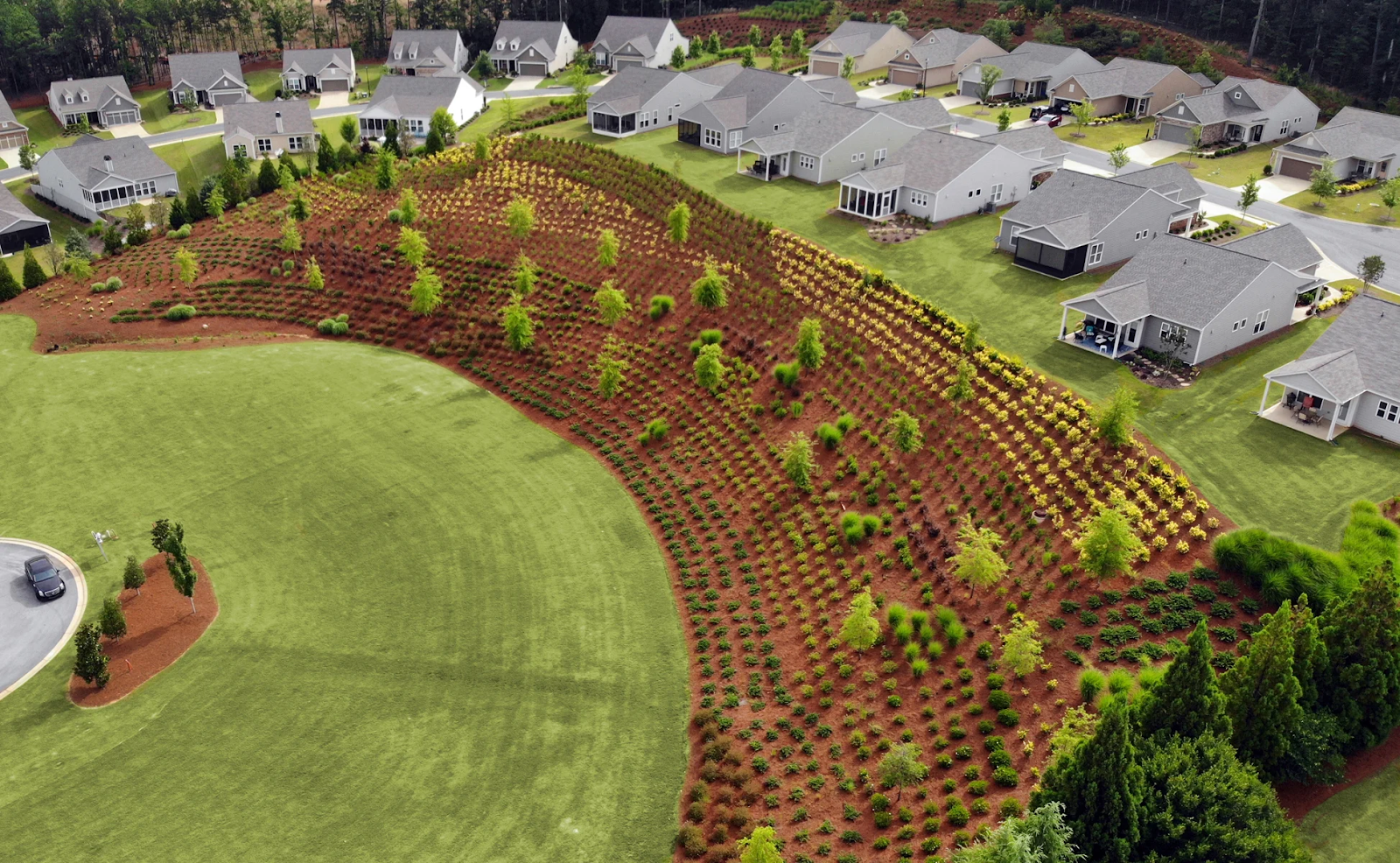
Establish Clear Expectations
Vague vendor agreements create disappointment and conflict. "Keep the landscaping looking nice" means different things to you, your vendor, and every homeowner in your community.
Create a detailed scope of work document. List every task you expect your landscaper to perform: mowing frequency, edging standards, pruning schedules, seasonal flower installation, irrigation adjustments, and debris removal procedures.
Specify how often each task should happen. Weekly mowing during growing season might drop to biweekly in fall. Tree pruning might happen annually. Irrigation system checks could be quarterly.
Define how vendors should report issues. When they notice irrigation leaks, diseased trees, or pest infestations, how should they communicate with the board? Email? Phone call? Written report at each service visit?
This level of detail prevents misunderstandings. Both you and your vendor know exactly what's expected, making it easy to evaluate whether performance meets standards.
Ready to simplify your HOA? Request a Proposal
Communicate Regularly with Vendors
Don't wait for annual contract renewals to talk to your landscaping company. Quarterly check-ins catch small problems before they become expensive disasters.
Use these conversations to discuss what's working well and what needs adjustment. Maybe the mowing schedule doesn't account for faster spring growth. Perhaps the pruning technique is harming trees instead of helping them. Regular dialogue helps vendors understand your priorities and adjust their approach.
These meetings also provide opportunities to plan ahead. Discuss which trees are nearing the end of their lifespan and need replacement. Talk about irrigation system components that should be upgraded before they fail. Address erosion issues that require intervention.
Long-term planning spreads costs more evenly across years and prevents the budget shock of unexpected major projects. It's far easier to budget for three tree replacements annually than for fifteen replacements when they all fail the same year.
Know What Your HOA Maintains
Your CC&Rs define which landscaping areas fall under HOA responsibility. This varies dramatically between communities, and misunderstanding creates conflicts with homeowners.
Some associations maintain everything including individual yard landscaping. Others handle only common areas while homeowners manage their own lots. Many communities fall somewhere between these extremes.
Review your governing documents and make this responsibility crystal clear to homeowners. Publish guidelines showing exactly what the HOA maintains and what homeowners handle. This prevents disputes and ensures proper care for all landscape areas.
Consider Sustainable Practices
Water costs continue rising in most regions. Traditional landscaping approaches waste both water and money through inefficient irrigation and plants poorly suited to local conditions.
Native plants require less water, resist local pests better, and thrive with minimal intervention. They're adapted to your climate, so they don't need the constant care that exotic species demand.
Mulch reduces water evaporation, suppresses weeds, moderates soil temperature, and improves soil quality as it decomposes. A proper mulch layer cuts maintenance costs while improving plant health.
Smart irrigation controllers adjust watering based on weather conditions. They don't water during rain. They reduce irrigation when temperatures drop. They prevent the waste of running sprinklers during windstorms that blow water everywhere except on plants.
These sustainable approaches reduce costs long-term while supporting environmental responsibility. The upfront investment in drought-tolerant landscaping or irrigation upgrades pays dividends for years through lower water bills and reduced maintenance needs.
Budget for Landscape Lifecycle Costs
Plants don't last forever. Trees mature and eventually decline. Irrigation systems wear out. Hardscape materials deteriorate. Your landscaping budget needs to account for these lifecycle realities.
Set aside funds annually for landscape replacements and upgrades. Don't wait until your entire tree canopy is dying to address the problem. Don't defer irrigation repairs until the system fails completely and you face emergency replacement costs.
Reserve studies should include landscape components. Major irrigation overhauls, tree replacement programs, and hardscape renovations belong in your long-term capital planning.
Communities that budget only for routine maintenance face constant special assessments when inevitable replacements become necessary. Strategic planning spreads these costs predictably across years.
Monitor Vendor Performance Consistently
You can't manage what you don't measure. Create simple scorecards to evaluate your landscaping vendor objectively.
Rate performance monthly on key factors: Did they complete all scheduled tasks? Was work quality acceptable? Did they communicate issues promptly? Were they responsive to concerns? Did they stay within budget?
Document problems with photos and written notes. Vague complaints about "poor quality" don't help anyone improve. Specific feedback like "turf cutting left scalped patches on the north lawn" or "pruning cuts on oak trees weren't made properly and are causing dieback" gives vendors clear direction.
If performance consistently falls short despite feedback, find a new vendor. Your community deserves reliable, quality service. Loyalty to an underperforming contractor hurts your property values and wastes homeowner money.
Address Problems Promptly
Landscaping problems compound quickly. A small irrigation leak becomes a major water bill and erosion damage. A diseased tree infects neighboring trees. An invasive weed spreads throughout your community.
When you or homeowners spot issues, act fast. Dead plants, broken sprinklers, pest infestations, and disease all demand quick responses to minimize damage and costs.
Empower someone (a board member, property coordinator, or HOA partner) to authorize minor repairs without waiting for full board approval. The cost of replacing a broken sprinkler head is trivial. The cost of water damage from letting it run for weeks until the next board meeting is not.
Plan for Seasonal Changes
Your landscaping needs shift throughout the year. Spring brings rapid growth requiring more frequent mowing. Summer demands careful irrigation during heat waves. Fall requires leaf removal and bed cleanup. Winter might need different care depending on your climate.
Work with your vendor to create seasonal plans addressing these changing needs. Adjust service frequency rather than paying for unnecessary visits during dormant seasons. Schedule major projects like tree work or irrigation upgrades during seasons when they'll have minimal impact.
Seasonal planning also helps homeowners understand why landscape appearance varies throughout the year. Not every season looks like spring. Setting realistic expectations prevents complaints about normal seasonal changes.
Landscape Investment Pays Returns
Quality landscaping isn't just about appearance. It directly impacts your property values, homeowner satisfaction, and community reputation.
Well-maintained landscapes make homes easier to sell and support higher sale prices. They create attractive outdoor spaces that residents actually use and enjoy. They signal to prospective buyers that your community is well-run and worth the investment.
Poor landscaping does the opposite. It broadcasts neglect, drives down property values, and makes your community a hard sell in competitive real estate markets.
Strategic landscaping oversight, clear vendor expectations, and sustainable planning protect your community's most visible asset. Treat it seriously, plan thoughtfully, and invest wisely. Your property values depend on it.