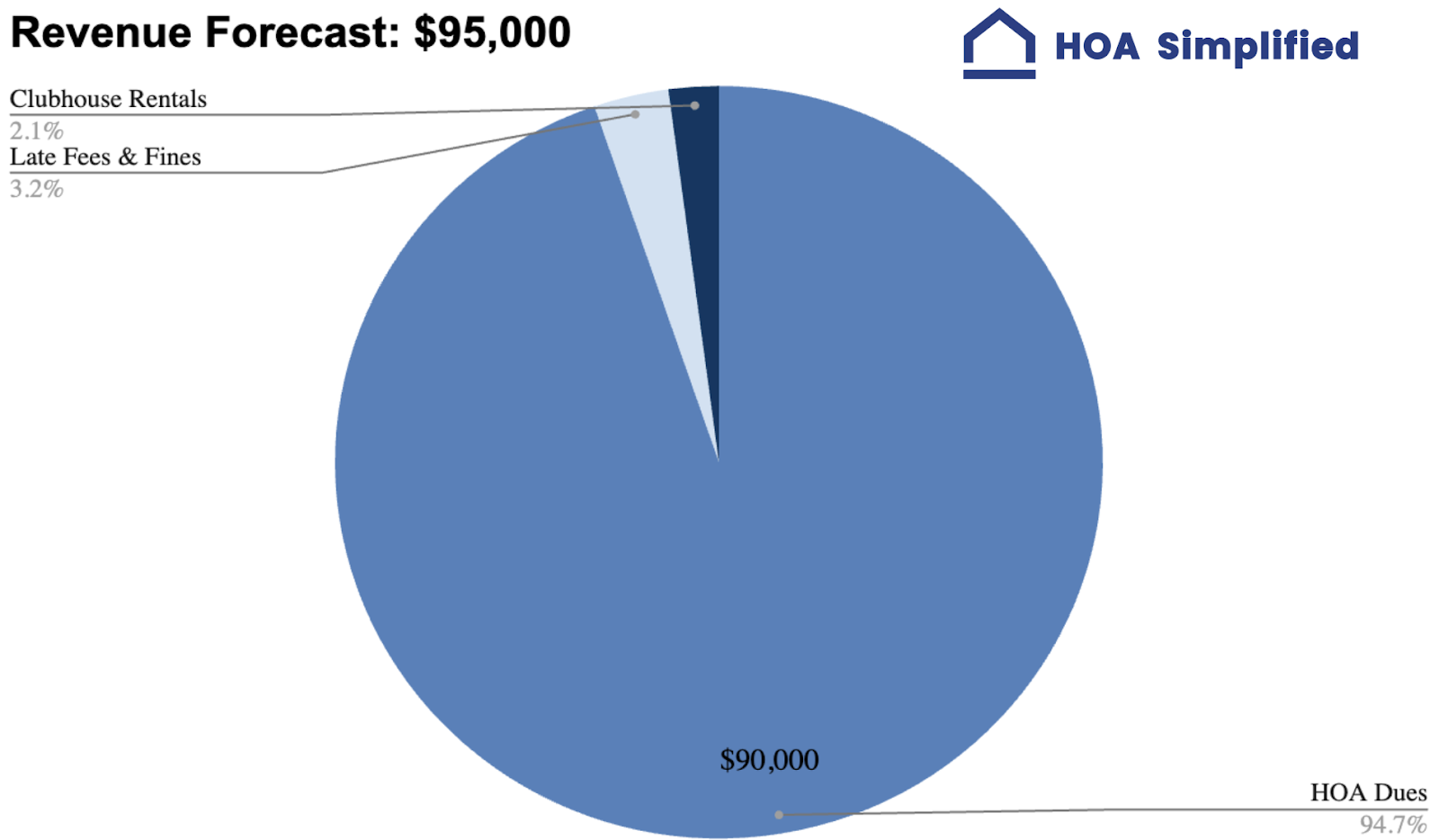
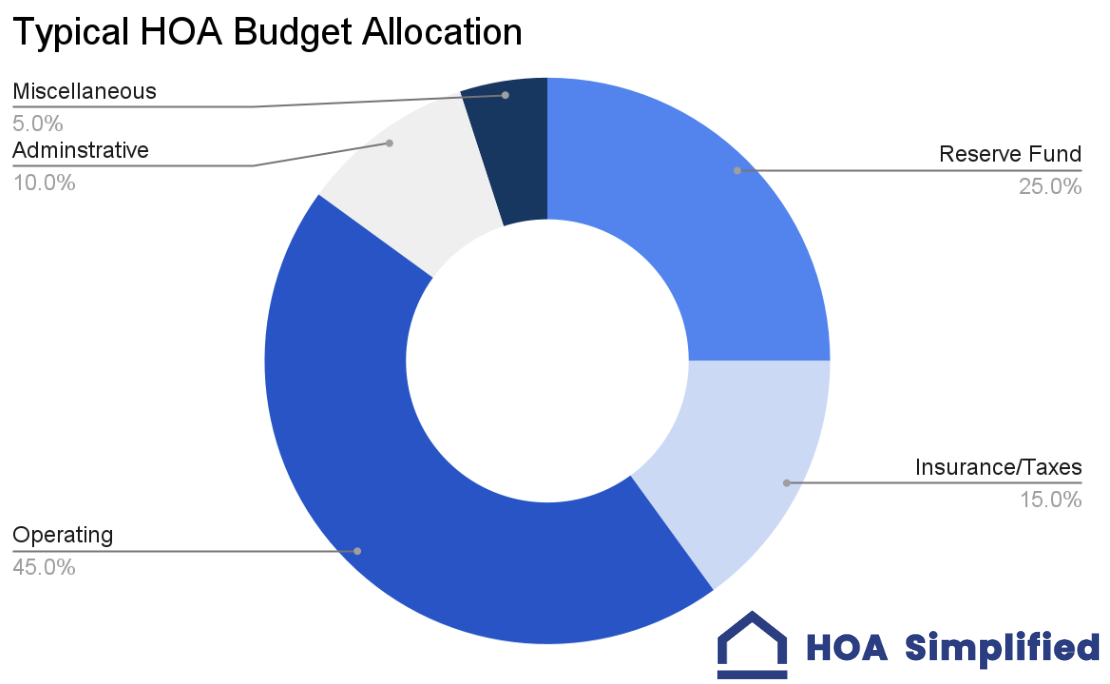
A well-crafted budget is the financial backbone of any homeowners association. It determines assessment levels, funds day-to-day operations, and ensures the community can handle future repairs without emergency special assessments. Yet many boards approach budgeting as a formality rather than a strategic exercise.
Here are the best practices that help California HOA boards build sound, defensible budgets.
Start With Actual Expenses, Not Last Year's Budget
One of the most common budgeting mistakes is simply copying the prior year's budget and making minor adjustments. Instead, your starting point should be actual expenditures from the current and prior fiscal years. Review every line item and ask whether spending patterns have changed.
For example, if landscaping costs increased 12% this year due to drought surcharges, carrying last year's budgeted amount forward will leave you short. Use real numbers as your baseline, then adjust for known changes.
Break the Budget Into Clear Categories
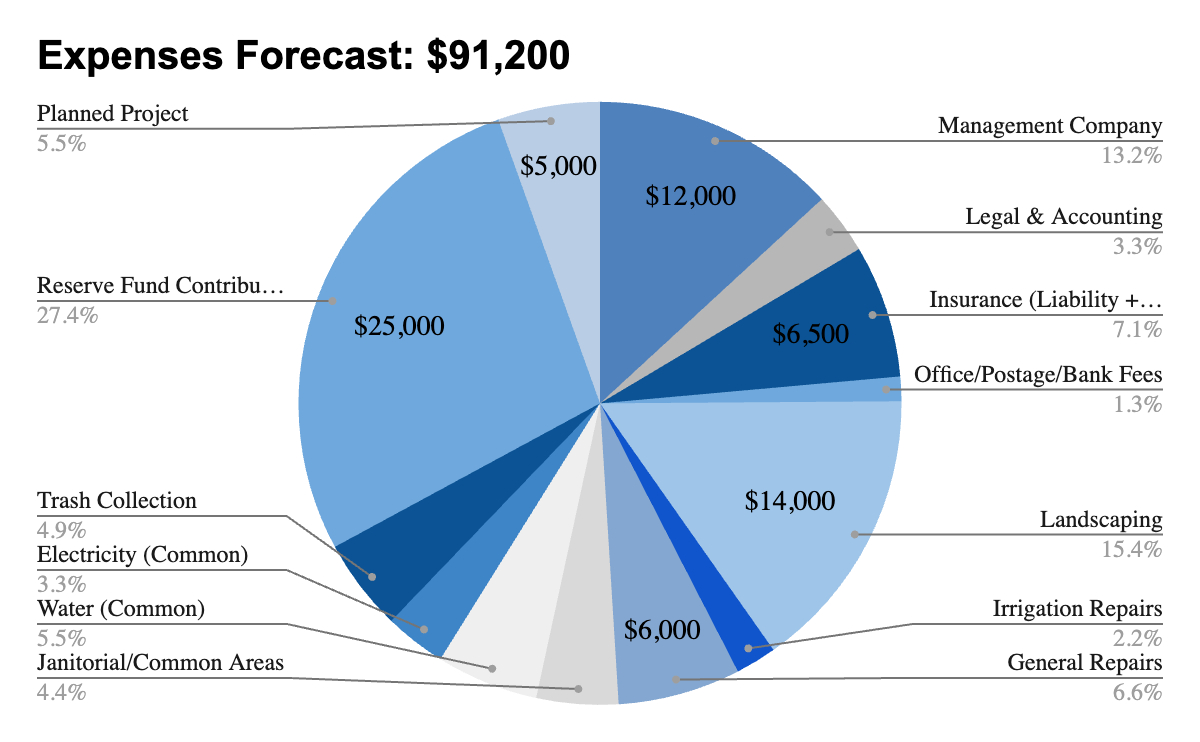
A well-organized budget makes it easier for board members and homeowners to understand where money is going. Standard categories for California HOAs include:
- Utilities: Water, electricity, gas for common areas
- Landscaping and grounds maintenance: Contracts, seasonal work, irrigation
- Insurance: General liability, property, directors and officers coverage
- Professional services: Partner fees, legal counsel, accounting
- Repairs and maintenance: Routine upkeep of common area facilities
- Administrative costs: Office supplies, postage, meeting expenses
- Reserve contributions: Funded per the most recent reserve study
Each category should have subcategories detailed enough to track spending accurately but not so granular that the budget becomes unwieldy.
Ready to simplify your HOA? Request a Proposal
Use Your Reserve Study to Guide Contributions
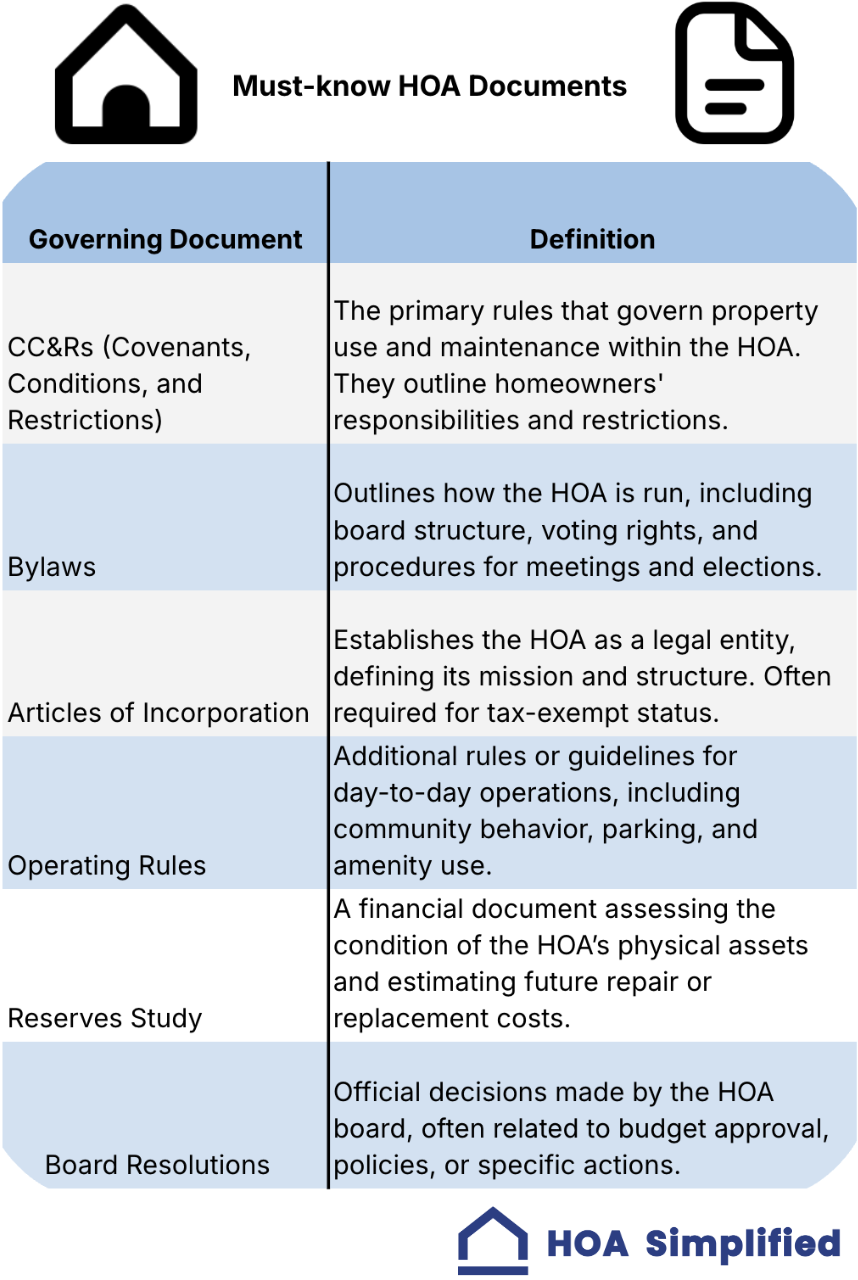
California law requires HOAs to conduct a reserve study at least every three years, and the study should directly inform your annual reserve contribution. The reserve study identifies major common area components, estimates their remaining useful life, and calculates the funding needed to replace them when the time comes.
Boards that underfund reserves face two painful outcomes: special assessments or deferred maintenance. Neither is popular with homeowners. A best practice is to fund reserves at a level that maintains at least a 70% funded ratio, which is the threshold most financial professionals consider adequate.
Build in a Contingency
Even the most thorough budget cannot predict every expense. Unexpected repairs, legal fees, or insurance premium increases can strain an operating budget that has no margin. Including a contingency line item of 3% to 5% of total operating expenses provides a buffer that prevents minor surprises from becoming major financial problems.
Get Competitive Bids on Major Contracts
Before finalizing budget assumptions for large expenses like landscaping, insurance, or painting, obtain competitive bids. Vendor costs can vary significantly, and a simple bidding process may reveal opportunities to reduce expenses without sacrificing quality. This also demonstrates to homeowners that the board is exercising fiscal responsibility.
Present the Budget Transparently
California Civil Code requires the board to distribute the annual budget to all members 30 to 90 days before the fiscal year begins. Go beyond the minimum requirements by including a brief narrative that explains significant changes from the prior year.
If assessments need to increase, explain why clearly and specifically. Homeowners are far more likely to accept a reasonable increase when they understand that insurance premiums rose 15% or that the reserve study requires higher contributions to stay on track.
Review Regularly Throughout the Year
A budget is not a set-it-and-forget-it document. The board should review a budget-to-actual comparison at every regular meeting, ideally presented as a financial report by your professional partner or treasurer. Identifying variances early gives the board time to adjust spending before small overages become significant shortfalls.
Disciplined budgeting is one of the most important things a board can do to protect property values and maintain homeowner confidence. The effort invested in building a thoughtful budget pays dividends throughout the year.