Self-coordinating your HOA saves money on professional fees but demands substantial commitment from volunteer boards. You take on financial oversight, legal compliance, insurance procurement, maintenance coordination, vendor relationships, and comprehensive documentation.
Miss any of these obligations and your community faces financial losses, legal exposure, or operational failures. Here's what self-managed boards must handle to keep communities healthy and compliant.
Financial Operations: The Foundation of Everything
Your HOA's financial health determines what's possible. Strong finances fund maintenance, build reserves, and maintain property values. Weak finances create emergencies, deferred maintenance, and declining community standards.
Budget Development and Tracking
Annual budgets project income from assessments and expenses for operations, maintenance, insurance, and reserves. Your budget guides spending decisions, assessment levels, and reserve contributions.
Track actual spending against budgets monthly. When variances appear, investigate immediately. Small budget gaps become major shortfalls when ignored.
Assessment Collection and Enforcement
Consistent monthly collection funds your operations. Late payments create cash flow problems that force difficult choices between paying bills and building reserves.
Establish clear collection policies with specific timelines for late notices, late fees, and formal collection action. Enforce policies consistently to maintain cash flow and fairness.
Financial Reporting and Tax Compliance
Monthly financial reports show your community's current position: cash balances, outstanding receivables, upcoming obligations, and reserve levels. Without regular reporting, boards operate blind.
Annual tax obligations include federal returns (Form 1120 or 1120-H), state returns where applicable, and 1099 forms for contractors paid over $600 annually. Tax deadlines aren't flexible, and penalties add up fast.
Reserve Funding for Major Repairs
Reserves fund major repairs and replacements: roofs, pavement, painting, pool equipment, and other capital items with predictable lifespans. You need reserves for major repairs, not just enough for daily expenses.
Underfunded reserves force special assessments when major repairs become necessary. Homeowners hate special assessments, and emergency repairs always cost more than planned replacements.
Legal Compliance: Non-Negotiable Obligations
Even basic actions like hosting elections or notifying homeowners have legal requirements. State laws govern HOA operations, and violations create liability for your board and community.
Annual Filing Requirements
Most states require HOAs to file annual reports with state business registries. These filings update registered agent information, confirm officers, and maintain good standing.
Missed filings can result in administrative dissolution, loss of legal protections, and personal liability for board members. Calendar these deadlines and file early.
Meeting and Election Procedures
Open meeting laws, notice requirements, quorum rules, and voting procedures vary by state but always exist. Your governing documents add community-specific requirements.
Follow these procedures exactly. Procedural violations invalidate decisions and expose your board to legal challenges.
Housing, Tax, and Regulatory Compliance
Fair housing laws restrict what your HOA can do. Tax obligations continue whether you're aware of them or not. Local regulations govern everything from water use to architectural modifications.
Self-managed boards must research applicable laws, monitor changes, and ensure compliance. Ignorance doesn't shield you from penalties.
Insurance: Protecting Your Community and Board
Insurance isn't optional. Your HOA needs coverage that protects common property, reduces liability exposure, and shields board members from personal financial risk.
General Liability Coverage
General liability insurance covers injuries or property damage in common areas. Slip-and-fall claims, pool accidents, and other incidents trigger this coverage.
Verify that your policy limits match your community's exposure. Underinsured HOAs face devastating liability when serious incidents occur.
Directors and Officers Liability Insurance
D&O insurance protects board members from personal liability when residents sue the HOA over governance decisions, enforcement actions, or alleged procedural violations.
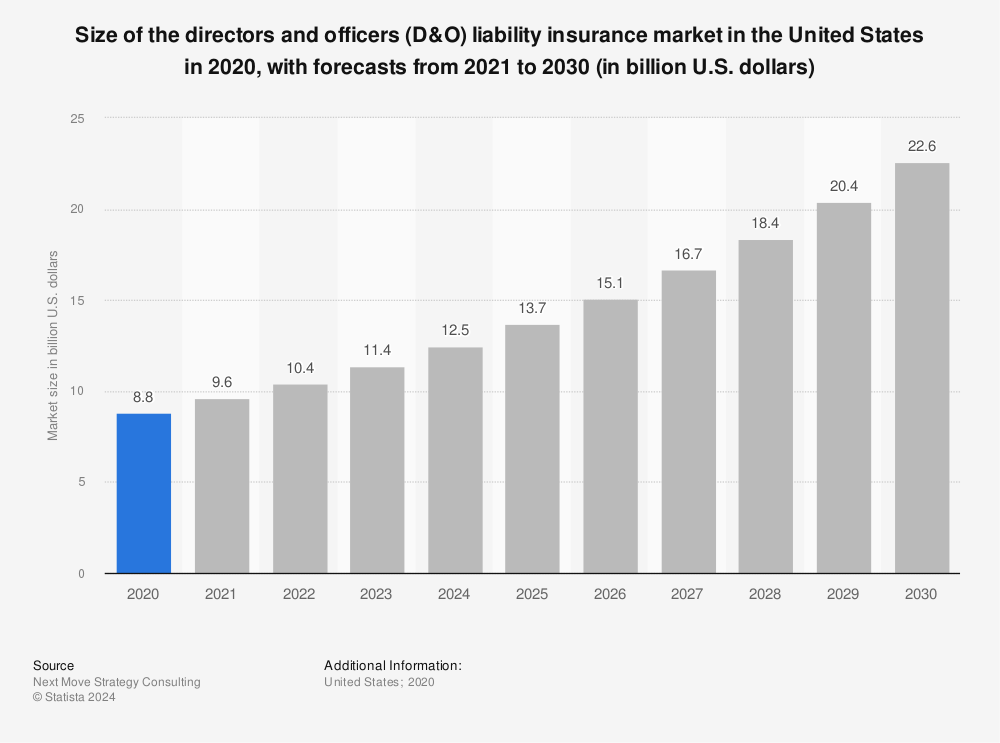
Without D&O coverage, board members risk personal assets when litigation happens. D&O insurance is projected to grow 8-11% annually as awareness increases about board liability exposure.
Don't serve on a board without D&O protection. Don't ask volunteers to serve without it.
Directors and officers liability insurance for HOA boards is projected to grow at a rate of 8-11% each year. Boards are becoming more aware of the need for coverage.
Overwhelmed by compliance requirements? Get Professional Support
Maintenance and Operations: Preventing Small Problems
Regular maintenance of common spaces prevents safety issues and insurance claims. Deferred maintenance creates hazards, reduces property values, and triggers expensive emergency repairs.
Seasonal Inspections
Conduct walkthroughs at least quarterly. Look for trip hazards, drainage problems, lighting failures, landscape issues, and structural concerns.
Address problems immediately when they're small and cheap. Wait until they're emergencies and costs multiply.
Responsive Repairs
When homeowners report maintenance issues, respond quickly. Ignored problems worsen and send a message that your board doesn't care about community standards.
Fast response times improve homeowner satisfaction and prevent minor issues from becoming major repairs.
Vendor Coordination: Managing Service Relationships
Your community relies on contractors for landscaping, pool service, janitorial work, repairs, insurance, legal counsel, and specialized services. Each vendor relationship requires active oversight.
Contractor Selection and Vetting
Before hiring any vendor:
- Verify current business licenses
- Confirm adequate insurance coverage
- Check references from similar communities
- Review contracts carefully for scope, pricing, and termination provisions
Cutting corners on vendor vetting creates liability when problems occur.
Performance Monitoring
Vendors perform well when someone watches. Inspect work regularly, verify completion against contracts, and address deficiencies immediately.
Document performance issues in writing. If problems persist, enforce contract terms or find better vendors.
Financial Controls
Verify invoices against contracts before approving payment. Watch for billing creep where vendors add services without authorization or inflate hours beyond reasonable expectations.
Documentation: Your Community's Institutional Memory
Keep organized records of every important decision, financial transaction, policy change, and legal obligation. Digital storage makes retrieval instant and protects against physical loss.
Essential Documents to Maintain
Your filing system should include:
- Meeting minutes and board resolutions
- Annual budgets and monthly financial statements
- Tax returns and supporting schedules
- Insurance policies and claim documentation
- Vendor contracts and performance records
- Governing documents and amendments
- Correspondence regarding disputes or enforcement
- Reserve studies and maintenance plans
When you need a document, you should find it in seconds, not hours.
Transition Planning
Board members turn over regularly. Comprehensive documentation ensures smooth transitions when new members join or officers change.
Without documentation, institutional knowledge walks out the door with departing board members.
Board Elections and Governance
Formal elections are legally required despite low participation. Your governing documents specify nomination procedures, voting methods, and term lengths.
Follow these procedures exactly. Election disputes create expensive litigation and community divisions that take years to heal.
The Reality of Self-Coordination
Self-managing a small HOA is possible when boards commit to:
- Systematic financial tracking and reporting
- Proactive compliance monitoring
- Adequate insurance procurement
- Regular maintenance and inspections
- Active vendor oversight
- Comprehensive documentation
- Procedural rigor in governance
It's substantial work that never really ends. If your board can sustain this commitment, self-coordination saves money while maintaining community health.
If volunteer bandwidth is limited, mistakes are accumulating, or burnout is spreading, professional support becomes the better investment. Know your board's capacity honestly and choose accordingly.
Your community deserves competent stewardship whether that comes from dedicated volunteers or professional partners.