Economic challenges are intensifying HOA operational difficulties. Inflation, rising vendor costs, and insurance spikes create budget pressure that boards can't ignore.
Understanding these pressures and responding strategically helps communities maintain financial stability without placing unsustainable burdens on homeowners.
Multiple Pressures Converge
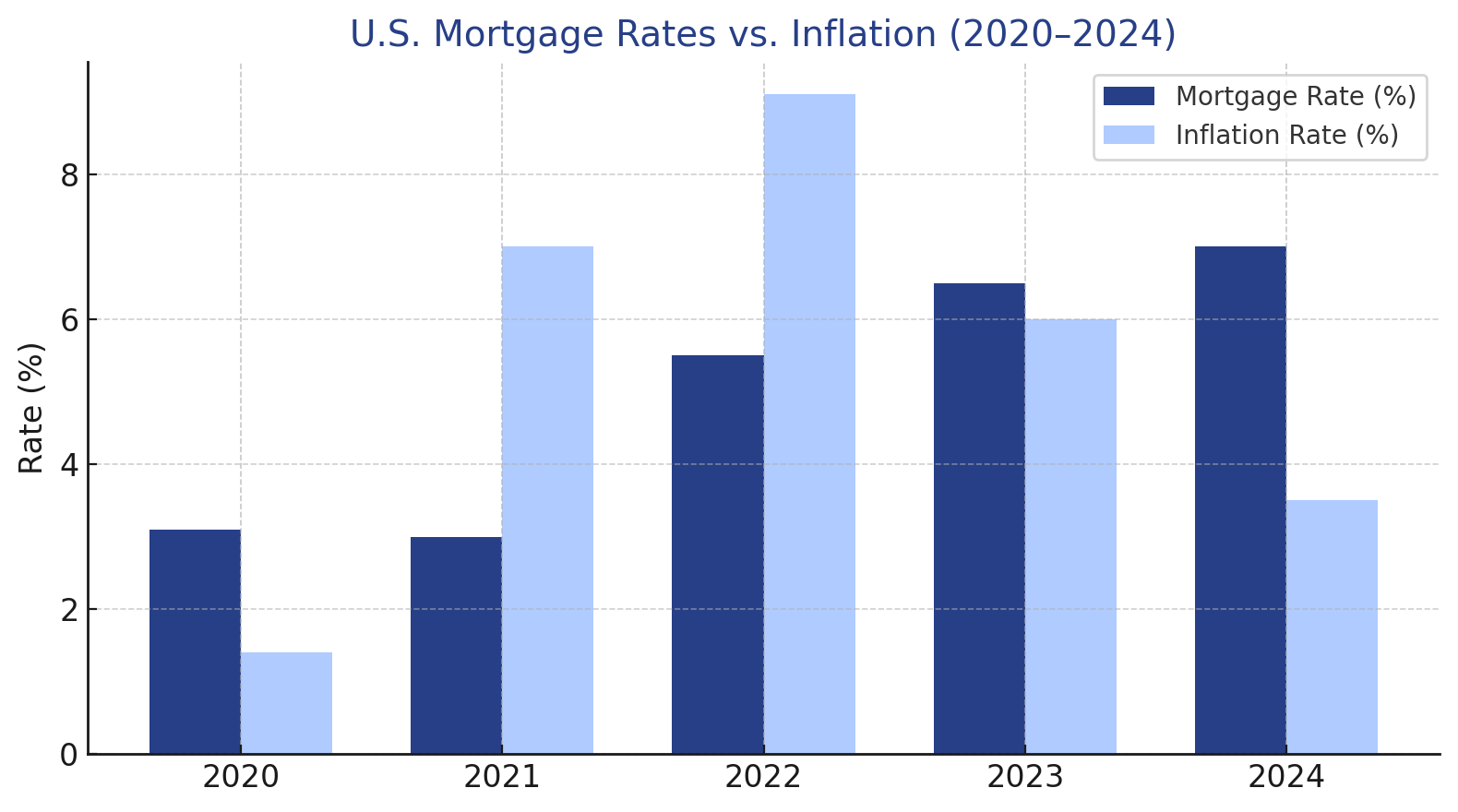
Inflation reached 40-year highs in 2022. While it has moderated, costs remain elevated compared to pre-pandemic levels.
Vendor pricing has jumped significantly. Landscaping, maintenance, and repair contracts have increased up to 25% in some markets. Labor shortages in skilled trades push wages higher, and those costs flow through to HOA contracts.
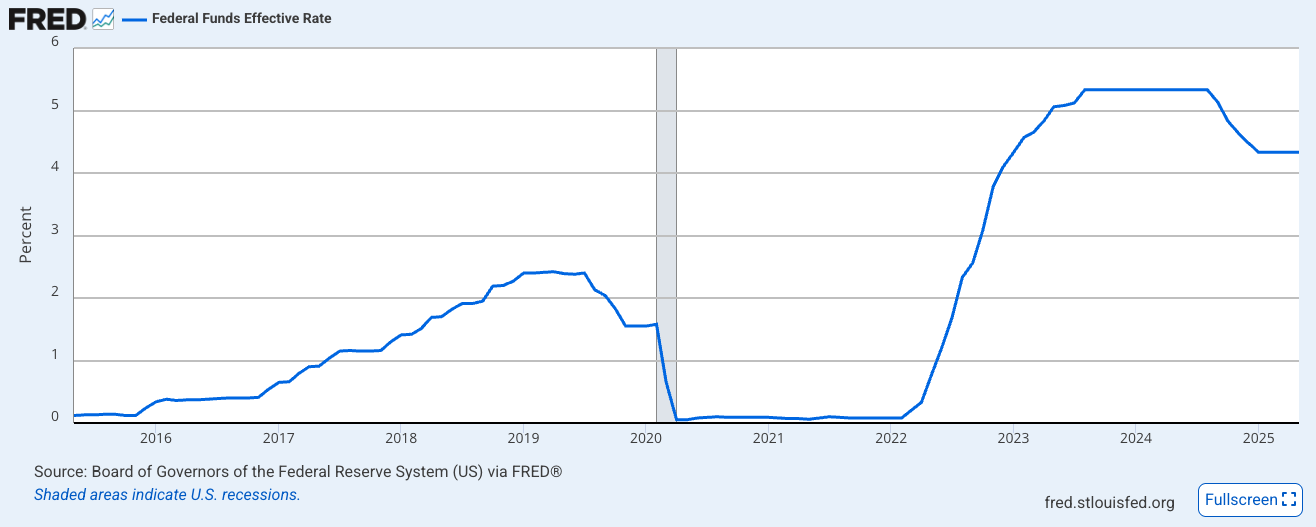
Interest rates increased from near-zero to over 5% in less than two years. Communities financing major projects or carrying debt face substantially higher borrowing costs.
Insurance Becomes a Critical Budget Concern
Insurance premiums have jumped sharply since 2021. Some communities have seen costs double or triple, especially in high-risk areas for weather events.
Carriers are reassessing risk and pulling out of certain markets entirely. Communities that could easily obtain coverage now struggle to find carriers willing to insure them at any price.
Directors and Officers insurance has also increased significantly. Board members face growing litigation risk, and insurers are pricing that risk more aggressively. These aren't temporary blips. Insurance costs appear structurally higher and likely to stay that way.
Homeowners Face Concurrent Financial Pressure
While HOA costs rise, homeowners deal with their own challenges. Mortgage rates remain elevated compared to pandemic-era lows. Many homeowners refinanced at 3% and now face 6-7% rates if they need to refinance or move.
Wage growth hasn't kept pace with inflation in many industries. Homeowners are paying more for groceries, gas, and utilities while their purchasing power shrinks.
HOA dues have risen substantially since 2019. For homeowners already stretched thin, another dues increase can feel like the breaking point.
The Communication Challenge
Boards need to raise dues to cover rising costs. Homeowners are financially stressed and resistant to increases. This creates tension.
Transparent communication doesn't eliminate resistance, but it helps homeowners understand why increases are necessary. Detailed budget presentations that show specific cost drivers build more support than vague explanations about "rising expenses."
Show the math. Explain that landscaping contracts increased 20%. Insurance jumped 40%. Utilities rose 15%. Reserve contributions must increase to fund upcoming projects.
Homeowners might not like the increases, but they can understand the necessity when boards demonstrate fiscal responsibility and clear reasoning.
Strategic Responses to Economic Pressure
Effective boards don't just react to rising costs. They plan strategically to maintain stability.
Smart Technology Adoption
Digital platforms streamline dues collection, reduce administrative costs, and improve communication. Online payment systems decrease late payments and collection expenses. Digital maintenance requests create clear documentation and faster response.
Technology isn't just convenient. It reduces operational costs that would otherwise require higher dues or staff.
Conservative Financial Planning
Build conservative budgets that account for cost increases. Assume vendor contracts will rise 5-10% annually. Plan for insurance cost growth. Fund reserves adequately to avoid surprise special assessments.
Conservative planning might mean slightly higher dues in stable years, but it prevents crisis-driven emergency assessments when costs spike unexpectedly.
Need help with financial planning? Get a Free Proposal
Operational Efficiency Focus
Review vendor contracts for opportunities to renegotiate or consolidate services. Consider multi-year contracts that lock in pricing. Evaluate whether self-performance of some tasks might reduce costs.
Efficiency improvements free up budget room without cutting essential services.
Frequent Transparent Communication
Don't wait until budget season to discuss finances. Regular updates about cost pressures, budget status, and planning decisions keep homeowners informed and build trust.
When dues increases become necessary, they're less shocking if homeowners already understand the financial pressures driving them.
Reserve Funding Cannot Be Deferred
Economic pressure tempts boards to underfund reserves to keep dues lower. This is shortsighted and ultimately more expensive.
Deferred maintenance doesn't go away. It gets more expensive. Underfunded reserves lead to special assessments that hit homeowners harder than gradual dues increases would have.
Reserve studies identify upcoming capital needs. Fund them appropriately even when budgets are tight. Future you will be grateful.
The Vendor Relationship Balance
Rising vendor costs create tension. Boards need quality service but face budget constraints.
Maintain good vendor relationships. Communicate budget pressures honestly. Explore whether adjusting service frequency or scope might reduce costs without eliminating essential work.
Quality vendors who understand your constraints might offer creative solutions. But they can't work miracles. Sometimes costs simply are what they are.
Long-Term Thinking Amid Short-Term Pressure
Economic uncertainty creates pressure to make short-term decisions that feel necessary but create long-term problems. Cutting essential maintenance. Underfunding reserves. Deferring needed projects.
Effective boards resist these temptations. They maintain long-term perspective even during difficult budget years.
Property values depend on well-maintained communities with strong finances. Short-term cost cutting that compromises long-term stability hurts everyone.
The Bottom Line
Economic challenges are real and likely to persist. Inflation may moderate, but costs are unlikely to return to pre-pandemic levels. Insurance markets remain volatile. Labor shortages continue affecting vendor pricing.
HOA boards must navigate these pressures while maintaining financial stability and community operations. Strategic planning, technology adoption, transparent communication, and conservative budgeting help communities stay resilient.
Homeowners face legitimate financial pressures too. Boards should balance fiscal responsibility with empathy for homeowner challenges.
The communities that emerge strongest from economic uncertainty will be those led by boards that plan conservatively, communicate transparently, embrace efficiency improvements, and maintain long-term perspective even during difficult budget cycles.
Financial storms pass. Well-run communities weather them and remain strong on the other side.