Selling a condo in 2025 is more complex than pricing it competitively. Market conditions have shifted, and buyers are conducting deeper due diligence before making offers.
Understanding what's changed helps both sellers and HOA boards navigate this environment.
Interest Rates Changed Buyer Behavior
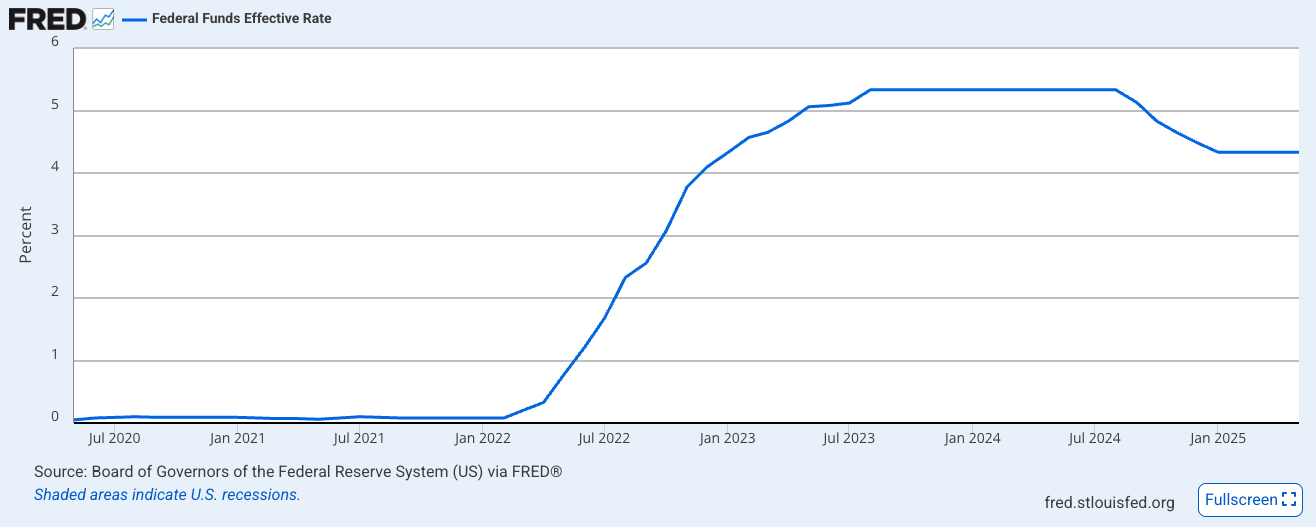
Higher interest rates have reduced what buyers can afford. Rates climbed from 2022 through 2024 before recently easing, but they remain elevated compared to the pandemic era.
A buyer who could afford a $500,000 condo at 3% interest might only qualify for $425,000 at 6%. That $75,000 difference eliminates properties from consideration.
Buyers are more cautious and financially conservative now. They're looking harder at total monthly costs, not just purchase price.
Buyer Due Diligence Has Intensified
Today's condo buyers aren't just touring units and making offers. They're investigating the entire community.
Common requests now include:
- Reserve studies showing long-term capital planning
- Special assessment history for the past five years
- Complete HOA governing documents and bylaws
- Current budget and financial statements
- Meeting minutes from the past year
- Conversations with board members about upcoming projects
This level of scrutiny was rare a few years ago. Now it's standard.

Financial Transparency Matters More Than Ever
Sellers who disclose special assessments early and share financial details tend to achieve better outcomes. Hiding problems until inspection kills deals and wastes everyone's time.
If a special assessment is planned or pending, address it upfront. Offering to cover part of the cost or adjusting pricing accordingly can keep transactions moving forward.
Buyers appreciate honesty. They're wary of surprises that surface during due diligence.
HOA Dues Face Heavy Scrutiny
Buyers increasingly demand clarity on what monthly fees cover and whether increases are anticipated. They compare dues to similar properties and question costs that seem high.
Even if a unit is priced competitively, concerns about repairs or high fees can push buyers away. Total monthly cost matters more than purchase price alone when interest rates are elevated.
Boards that communicate clearly about fee allocation and planned increases help sellers make stronger cases to buyers.
The Board's Indirect But Critical Role
HOA boards don't handle individual unit sales. But their actions significantly influence buyer confidence and community marketability.
Organized records, clear communication, and proactive planning signal that the community is well-run. Disorganized operations or deferred maintenance raise red flags that kill deals.
Need better financial transparency? Get a Free Proposal
Consider what buyers see during due diligence:
Strong Signal: Current reserve study, funded reserves, regular maintenance schedule, clear financial statements, responsive board communication.
Weak Signal: No reserve study, depleted reserves, special assessments due to poor planning, missing financial documentation, unresponsive board.
Buyers can choose between communities. They'll pick the one that appears financially stable and well-operated.
What Sellers Can Do
Individual sellers have limited control over community operations. But they can:
- Request current financial documents from the board early
- Disclose known issues or planned assessments upfront
- Price units considering total monthly costs, not just comparable sales
- Be prepared to negotiate on assessment coverage or closing costs
- Provide complete HOA documentation quickly when buyers request it
Sellers who anticipate buyer concerns and address them proactively close deals faster.
What Boards Can Do
Boards significantly influence community marketability through operational excellence:
- Maintain updated reserve studies and share them with sellers
- Communicate financial status clearly and regularly
- Plan for capital improvements proactively to avoid surprise assessments
- Keep organized records that respond quickly to buyer due diligence
- Address deferred maintenance before it becomes obvious to buyers
These practices don't just help individual sellers. They protect property values for everyone.
The Market Has Fundamentally Shifted
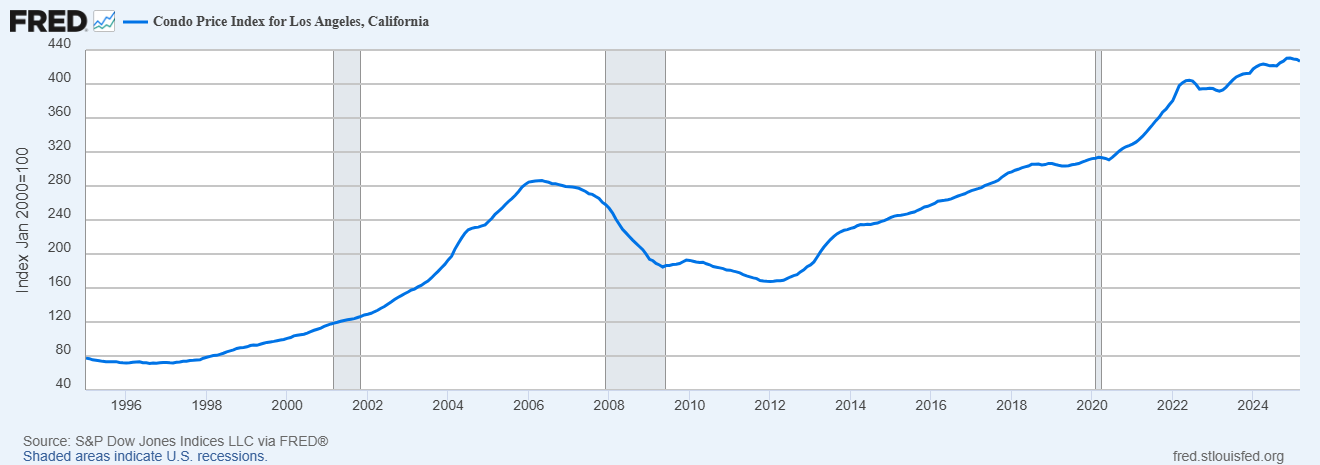
The easy condo market of 2020-2021 is gone. Low interest rates masked operational problems and deferred maintenance. Buyers overlooked issues because properties sold quickly.
That's over. Today's buyers have options and time to evaluate them carefully. They're comparing total costs, investigating financial stability, and walking away from communities that raise concerns.
The Bottom Line
Financial stability and transparency have become as important as property pricing in today's condo market. Buyers want proof that the community is well-operated and financially sound.
Individual unit features still matter. But if the HOA appears poorly run or financially unstable, even beautiful units in great locations struggle to sell at competitive prices.
Sellers need complete financial documentation ready and should price considering total monthly costs. Boards need organized operations, proactive planning, and clear communication.
The communities that adapt to this new reality will maintain property values. Those that don't will watch units sit on the market while buyers move on to better-operated alternatives.