Vendor decisions directly impact your community's appearance, safety, and property values. Poor vendor choices lead to repeated repairs, resident complaints, and wasted association funds.
High-quality vendors do more than complete tasks. They help maintain property values, reduce complaints, and ensure repairs are done right the first time.
Here's how to choose vendors that actually serve your community well.
Why Vendor Selection Matters
Walk through any HOA community and you'll see the results of vendor decisions. Landscaping that's either pristine or overgrown. Paint jobs that look professional or sloppy. Repairs that hold up or fall apart within months.
Every vendor contract is an investment in your community's future. Quality work preserves property values. Substandard work erodes them.
The lowest bid isn't always the best value. Cheap work that needs redoing costs more in the long run than quality work done right the first time.
Essential Qualification Criteria
Before considering any vendor, verify these baseline requirements.
Valid Licensing
Check that vendors hold current licenses for the work they'll perform. Contractors, electricians, plumbers, and many other trades require state or local licensing. Unlicensed vendors might offer lower prices, but they expose your community to liability if something goes wrong. Don't take that risk.
Comprehensive Insurance Coverage
Every vendor should carry liability insurance and workers' compensation coverage. Liability insurance protects your community if their work causes property damage or injury. Workers' compensation covers their employees if injured on your property.
Request current certificates of insurance before signing any contract. Verify coverage amounts meet your community's requirements.
Relevant HOA Experience
Vendors who regularly work with HOAs understand community-specific needs. They know how to communicate with boards, follow proper protocols, and minimize disruption to residents.
Ask for references from other HOA communities they've served. Contact those references to verify quality, reliability, and professionalism.
Verifiable References
Don't just collect references. Actually call them. Ask specific questions:
- Was work completed on schedule?
- Did the vendor stay within budget?
- How did they handle problems or unexpected issues?
- Would you hire them again?
References that seem hesitant or give vague answers are red flags.
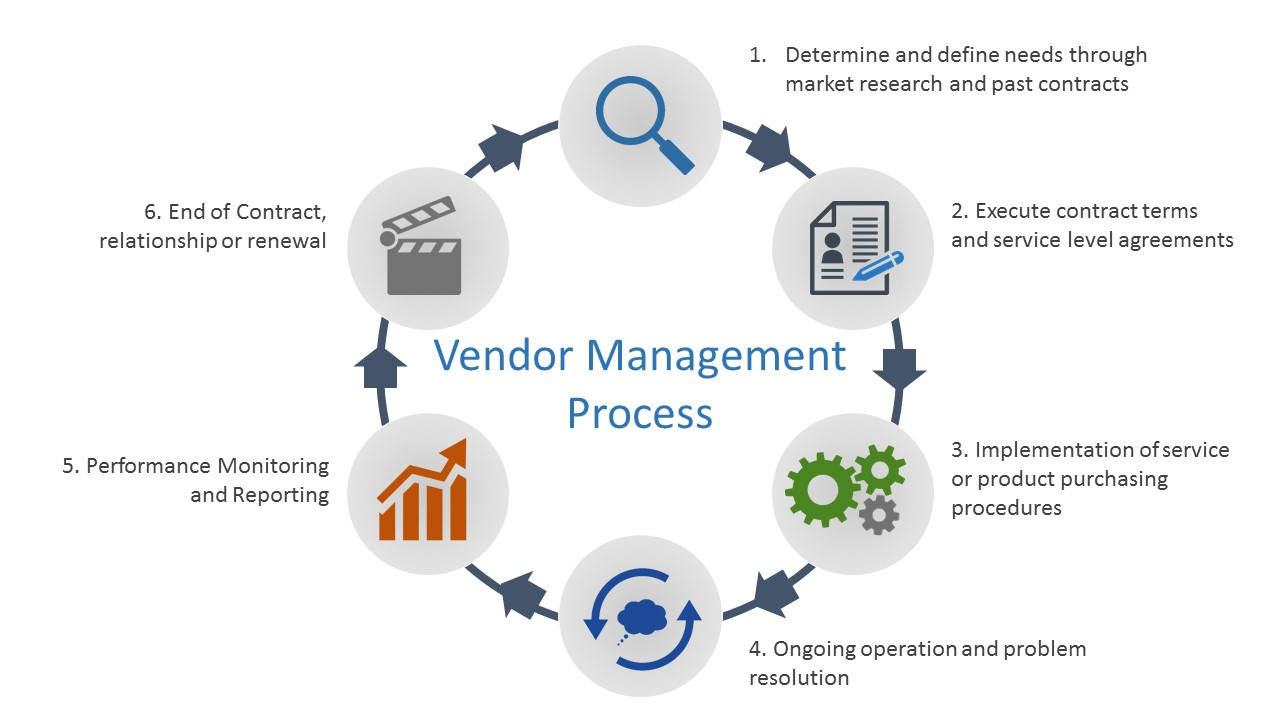
Contract Requirements That Protect Your Community
A solid vendor contract protects both parties and sets clear expectations.
Detailed Work Description
The contract should specify exactly what work will be performed, including materials, methods, and quality standards. Vague descriptions lead to disputes.
For example, "landscape maintenance" isn't specific enough. "Weekly mowing to 3-inch height, bi-weekly edging, monthly pruning, quarterly fertilization" leaves no room for interpretation.
Transparent Payment Terms
Payment schedules should tie to completed milestones, not upfront deposits. Large advance payments create risk if the vendor disappears or fails to complete work.
Include specific deadlines for each phase of work. Define what happens if deadlines aren't met.
Clear Termination Procedures
Contracts should outline conditions under which either party can terminate the agreement. Include notice requirements and how final payment will be calculated.
Address dispute resolution methods. Will you use mediation? Arbitration? These decisions are easier to make before conflicts arise.
Want to score vendors objectively? Download Our Free Vendor Scorecard
Ongoing Performance Monitoring
Signing a contract isn't the end of vendor oversight. Regular performance monitoring ensures quality stays consistent.
Assign a board member or committee to periodically review vendor work. Document issues when they arise. Address problems promptly before they become patterns.
Track metrics relevant to each vendor type:
- Response times for emergency repairs
- Completion rates for scheduled maintenance
- Resident complaints or compliments
- Budget adherence
This data helps you make informed decisions about contract renewals.
Contract Renewal Decisions
As contracts near expiration, evaluate whether to renew or seek new vendors.
Consider these factors:
- Has quality remained consistent?
- Are residents satisfied?
- Has the vendor been responsive to concerns?
- Do current rates still represent fair market value?
Don't renew automatically just because it's easier. Sometimes bringing in new vendors improves service and saves money.
Red Flags to Watch For
Certain warning signs should make you reconsider a vendor:
- Unwillingness to provide insurance certificates
- Pressure to sign contracts immediately without review time
- Resistance to including detailed work descriptions
- Requests for large upfront payments
- No verifiable references from similar communities
- Lack of proper licensing or expired credentials
Walk away from vendors who show these red flags, regardless of how attractive their bid seems.
The Bottom Line
Vendor quality directly influences your community's appearance, safety, and property values. Thoughtful vendor selection is one of the most important responsibilities board members have.
Take time to verify credentials, check references, and create detailed contracts. Monitor performance throughout the contract term. Make renewal decisions based on results, not just convenience.
Quality vendors become long-term partners who understand your community and take pride in their work. Poor vendors create headaches, waste money, and damage property values.
The effort you invest in choosing the right vendors pays off in better outcomes, fewer complaints, and a community that maintains its value year after year.