The HOA industry is experiencing a demographic shift that's reshaping how communities operate. Younger, more diverse homebuyers are entering HOA communities with different expectations than previous generations.
Understanding these changes helps boards adapt and build stronger communities.
Market Growth Accelerates
Over 80% of new homes sold in 2023 were in HOA communities. Fourteen new associations form every single day. This isn't a niche market anymore. It's the dominant form of homeownership in many regions.
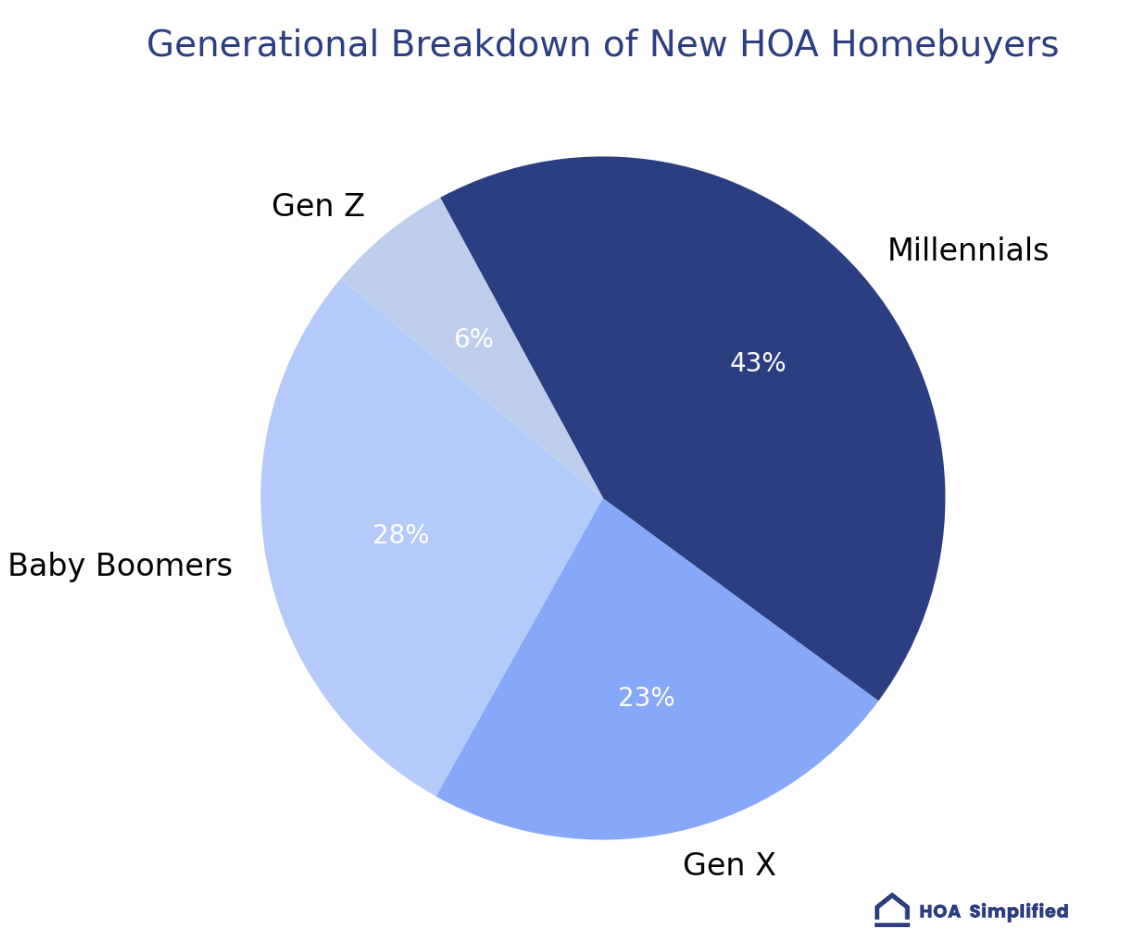
Millennials represent the largest group of homebuyers, with Gen Z following closely behind. These generations grew up with smartphones and expect digital solutions for everyday tasks.
Communities are also becoming increasingly diverse, especially in California and Texas. Different cultural backgrounds bring different perspectives on community living and governance.
The Affordability Crisis Changes Expectations
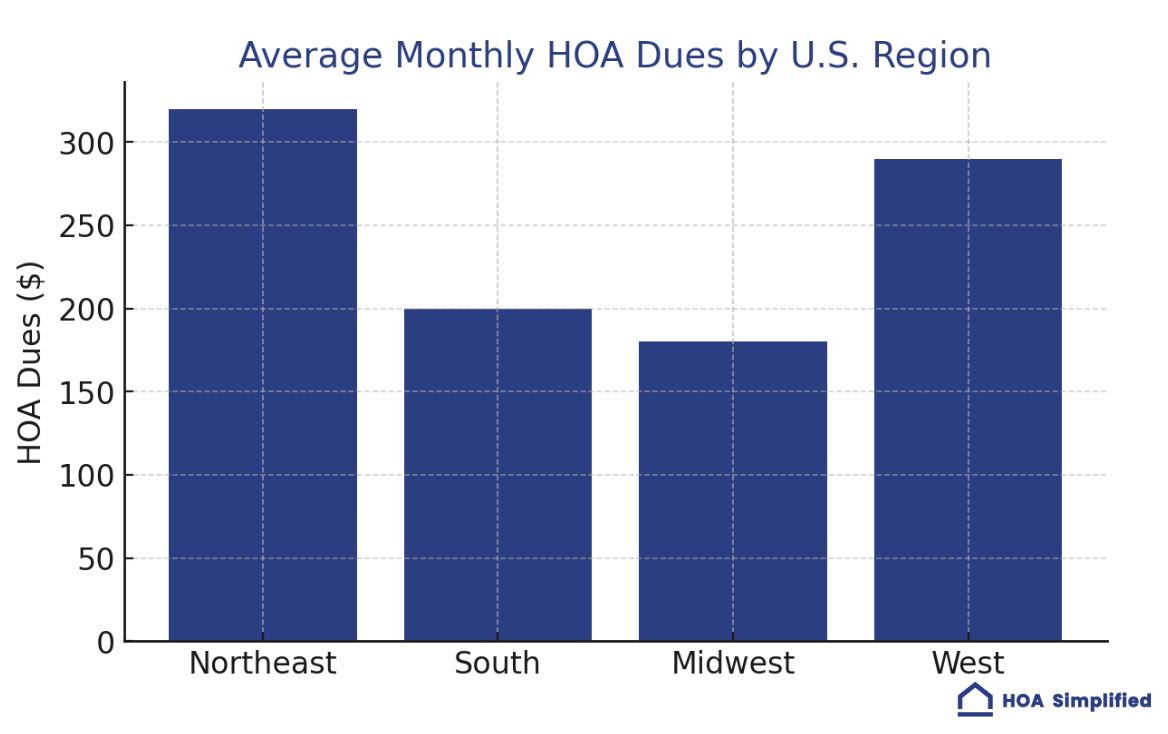
Average monthly HOA dues have increased 42% since 2019. That's a significant jump that hasn't gone unnoticed.
Younger buyers demand transparency about where their money goes. They want detailed budgets, clear fee allocation breakdowns, and justification for increases. Generic explanations don't cut it anymore. Boards need to communicate financial decisions clearly and respond to questions promptly.
Digital Tools Become Non-Negotiable
Younger homeowners expect to handle HOA business the way they handle everything else: digitally, on their schedule.
Paper notices and in-person-only meetings feel outdated. Digital voting systems, online fee collection, and mobile-friendly announcements are becoming standard expectations, not nice-to-haves.
Communities that resist digital transformation risk frustrating residents and making board service harder to recruit for.
What Modern Homeowners Actually Want
The shift isn't just about age. It's about access and convenience.
Modern residents expect:
- 24/7 access to account information and community documents
- Mobile-compatible platforms that work on phones and tablets
- Real-time updates about community issues and decisions
- Online payment options with automatic payment capabilities
- Digital submission for maintenance requests and architectural applications
These aren't unreasonable demands. They're standard features in every other area of modern life.
Communities That Adapt Get Stronger
HOAs that embrace these changes don't just satisfy younger residents. They make operations more efficient for everyone.
Digital platforms reduce administrative burden on volunteer board members. Online voting increases participation in community decisions. Transparent financial reporting builds trust across all age groups.
Ready to modernize your community? Get a Free Proposal
Resistance to change creates friction. Younger homeowners might avoid communities that feel stuck in the past, or they join boards specifically to force modernization, which can create conflict.
Building Inclusive Communities
Increased diversity isn't just racial and cultural. It includes different family structures, work arrangements, and lifestyle preferences.
Remote workers are home during the day and notice community operations differently. Multi-generational households have different space needs. LGBTQ+ families appreciate inclusive language in governing documents.
Boards that acknowledge and adapt to this diversity create more welcoming communities. Simple changes like offering virtual meeting attendance or updating outdated language in CC&Rs signal that everyone belongs.
The Path Forward
Demographic change in HOA communities isn't a problem to solve. It's an evolution to embrace.
Younger, diverse homeowners bring fresh energy and perspectives. They're willing to engage with their communities when given tools that fit their lives.
The communities that thrive will be those that:
- Invest in digital platforms for transparency and access
- Communicate financial decisions clearly and regularly
- Offer flexible participation options for meetings and voting
- Update policies to reflect modern living arrangements
- Welcome new perspectives on community governance
HOAs that adapt become stronger, more inclusive, and better equipped for the future. Those that resist will struggle with declining participation and increasing frustration.
The choice isn't whether demographics will change. They already have. The choice is whether your community will adapt and grow stronger, or resist and fall behind.